
Last updated August 25, 2026
Free visual inspection and a written scope of work before any mitigation begins - photos, moisture readings, and drying logs go in your claim file
The scope we write is the scope we bill. Anything new gets shown to you, in writing, before we touch it.
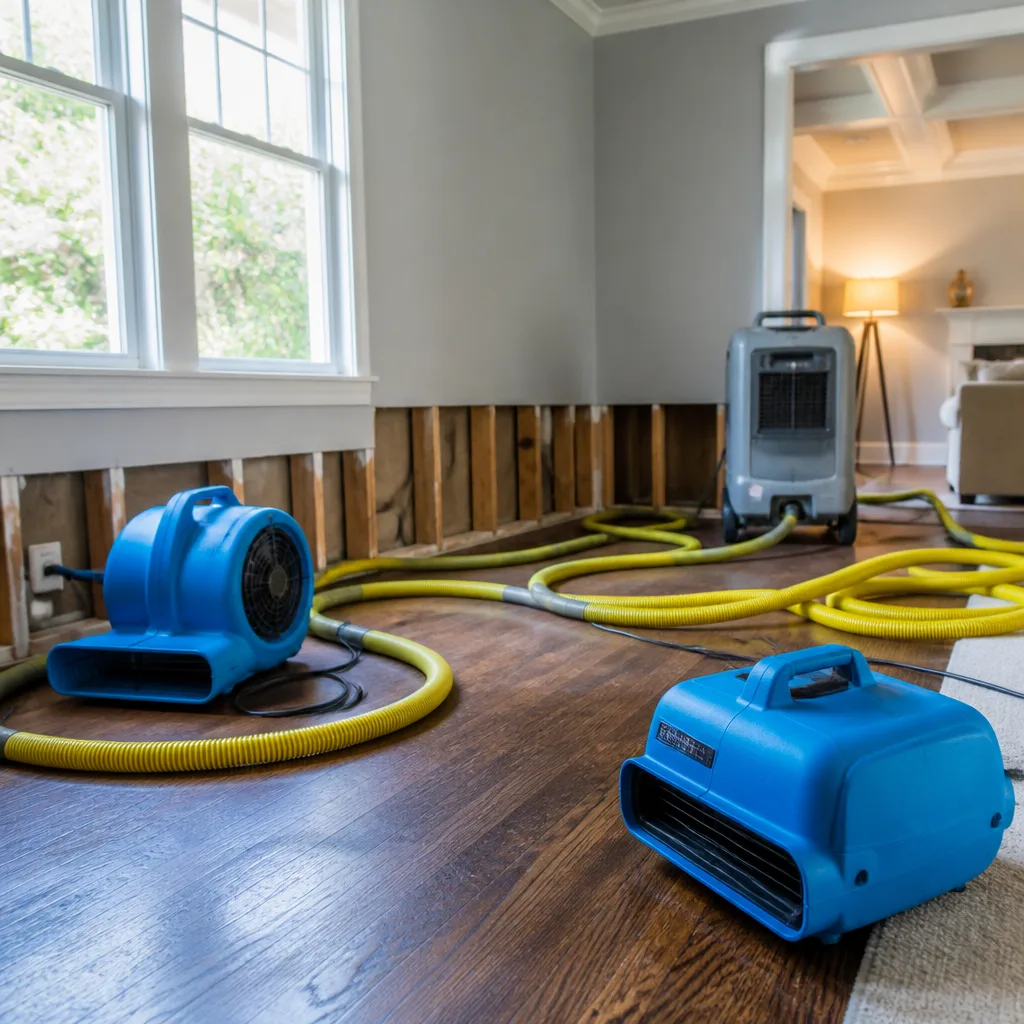



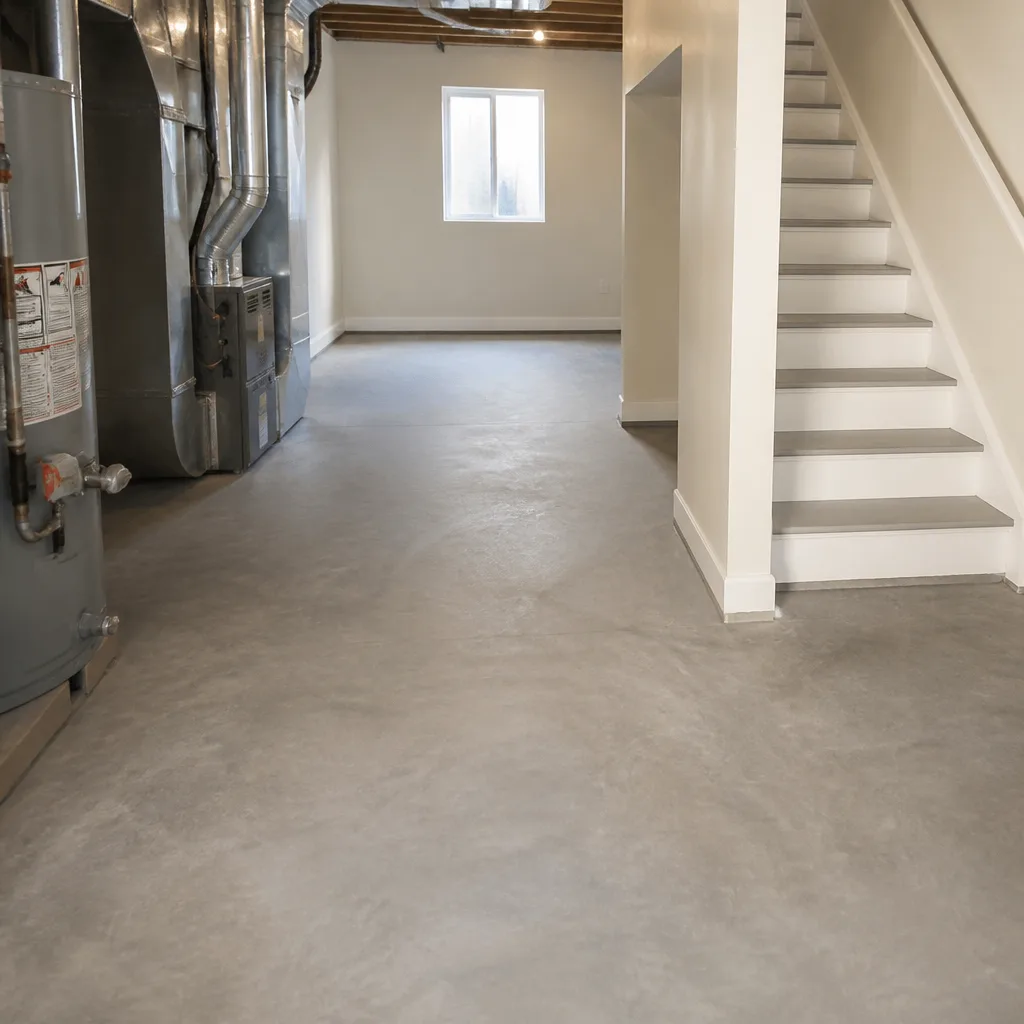

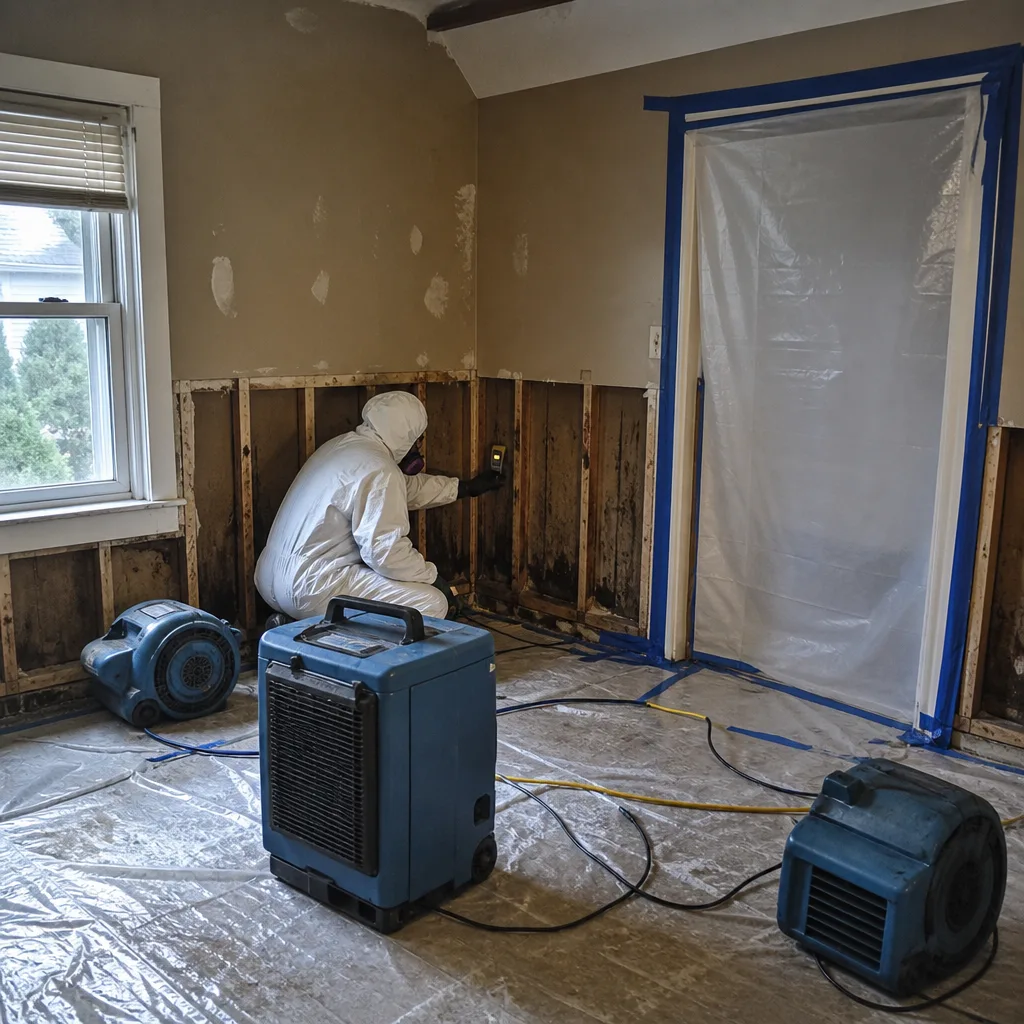 Before
 After
After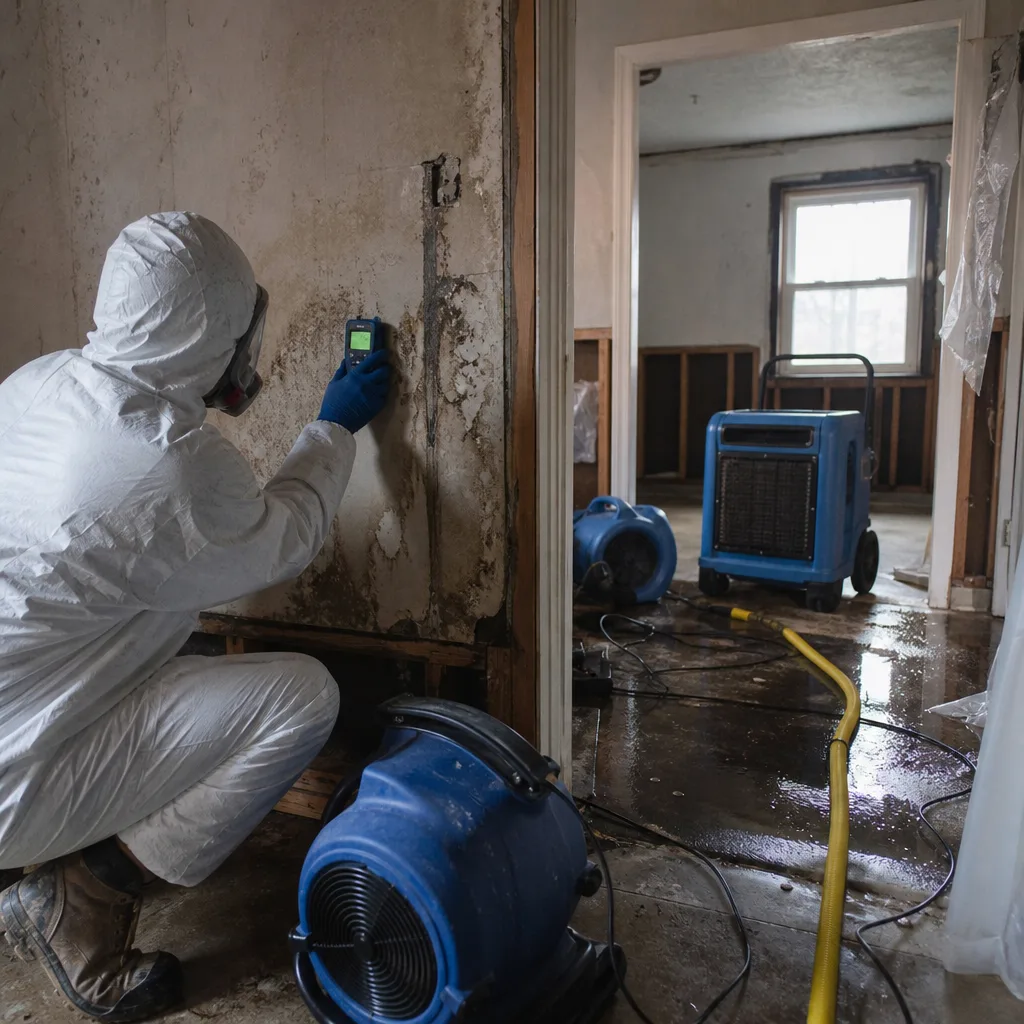 Before
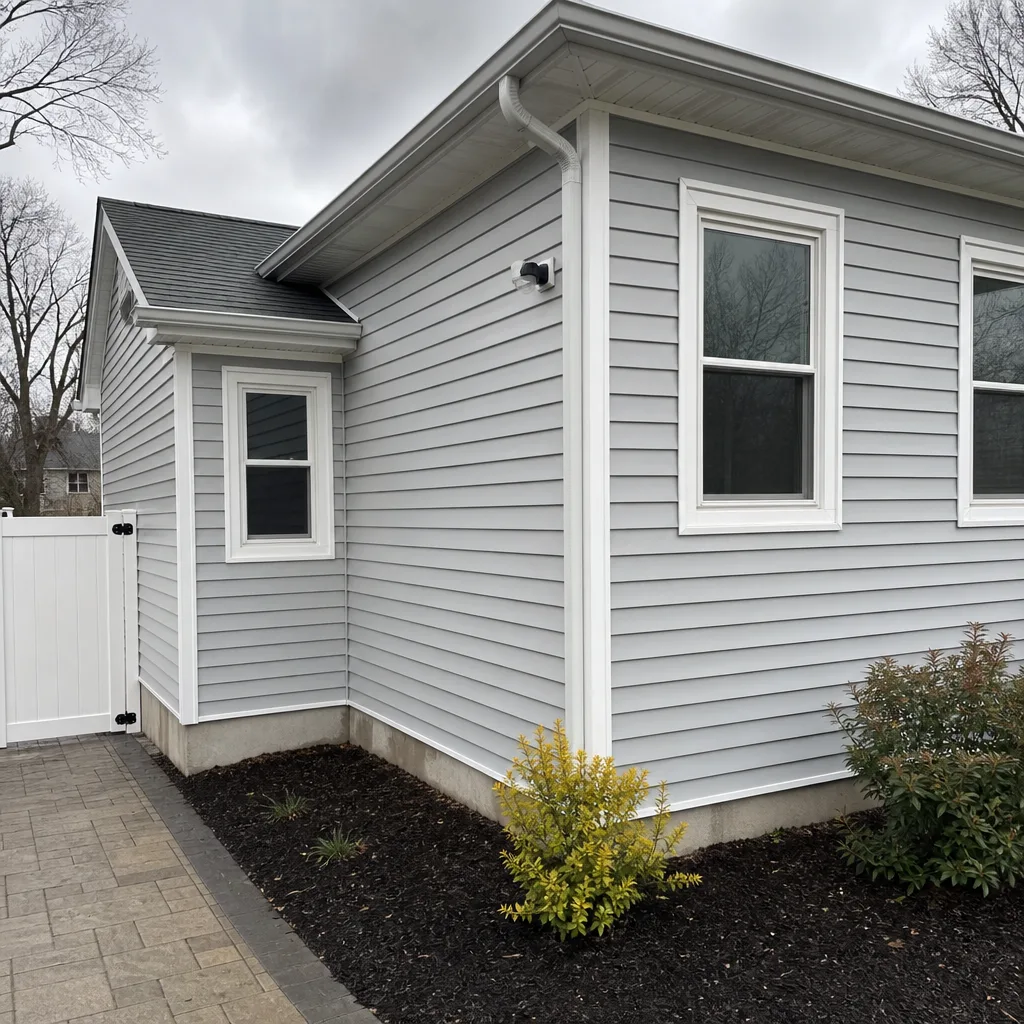 After
After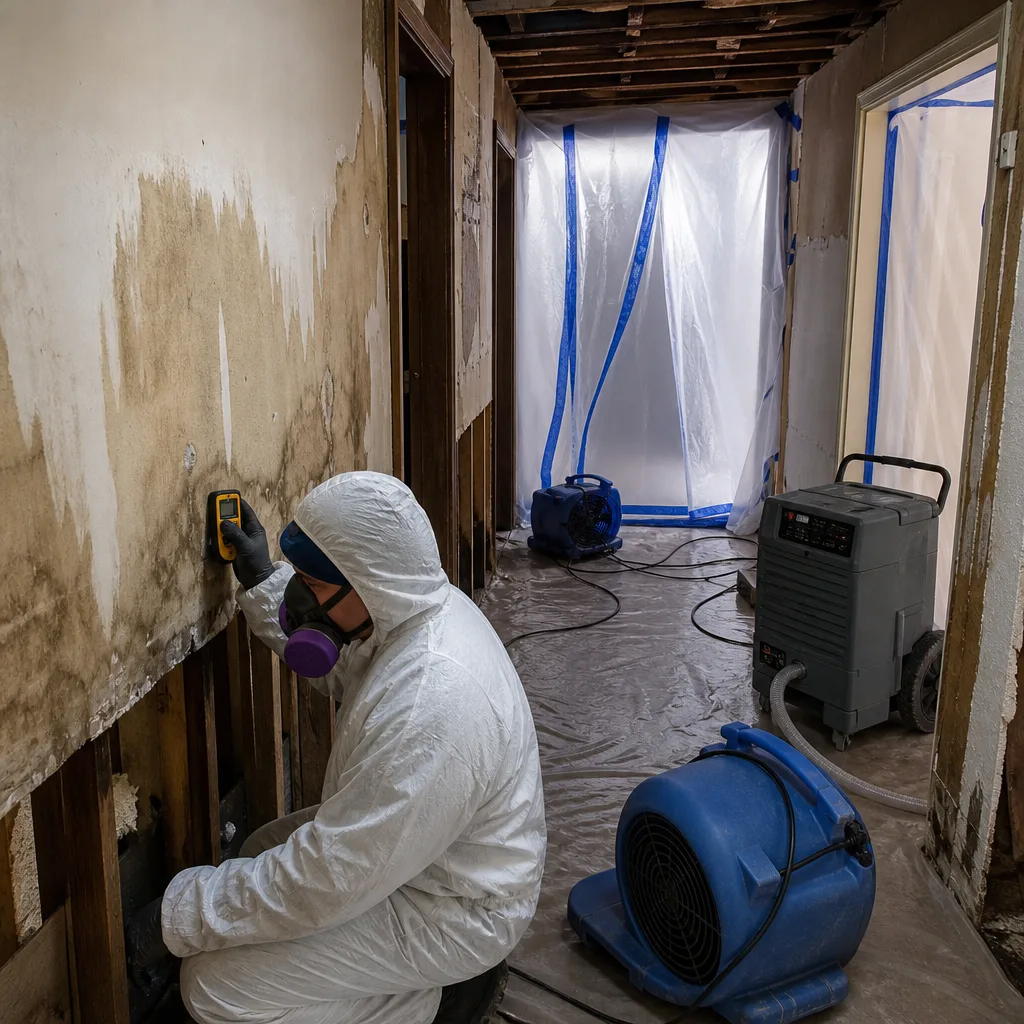 Before
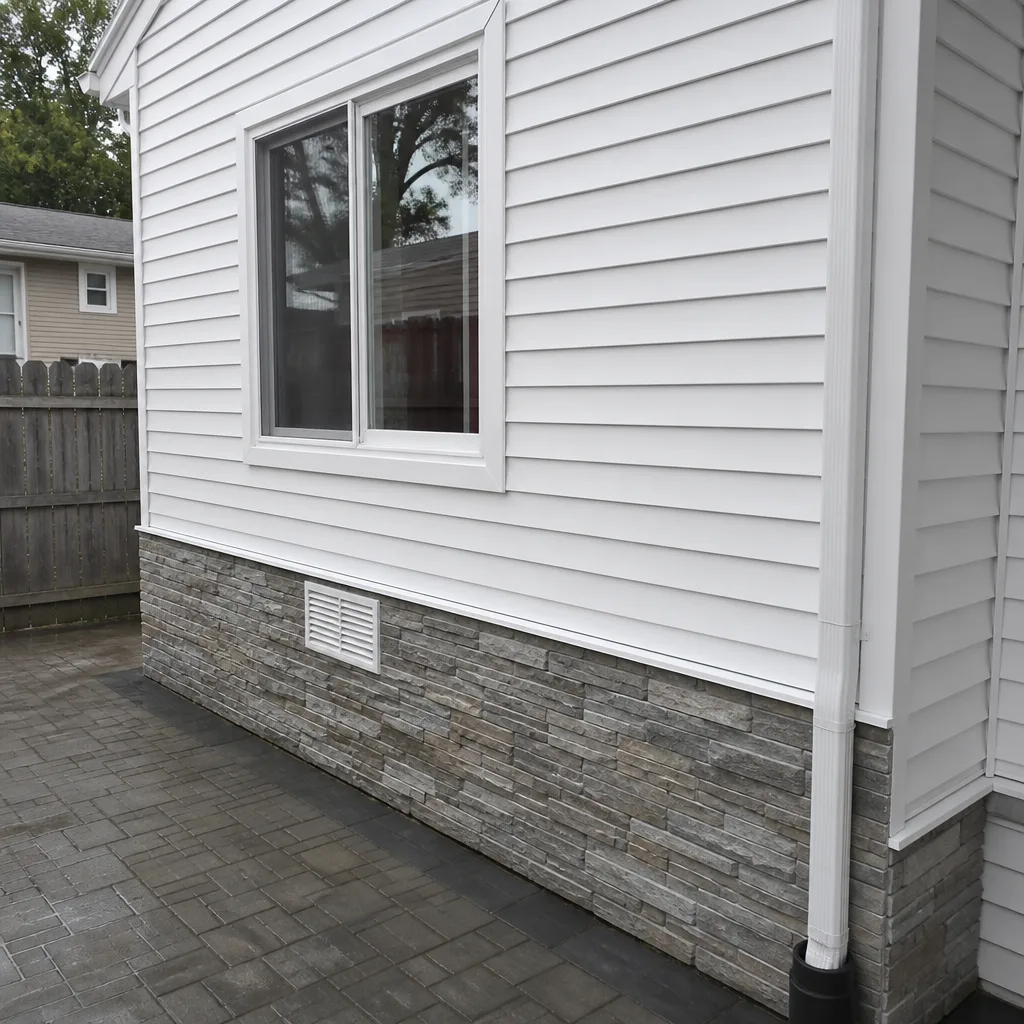 After
AfterWater Damage Restoration Maintenance Checklist for Teaneck Homeowners
Most Teaneck homeowners don’t discover a water problem until the damage is already done. A slow leak behind a bathroom vanity, a hairline crack in a foundation wall, a gutter that’s been quietly spilling against the siding for two winters - water works in silence, and by the time the stain shows on the ceiling, the repair bill has tripled. This guide covers the maintenance checks that catch water damage before it spreads, the seasonal walkthroughs that matter in Bergen County’s climate, and what to do when a check turns up something wet. If you live in Teaneck, plan on staying in your house, and want to avoid the five-figure restoration bill, this is the checklist to keep.
Quick Answer
A water damage prevention checklist for Teaneck homeowners means inspecting six areas twice a year: the roof and gutters, exterior grading and foundation, plumbing supply lines and shutoffs, water heater and appliances, bathrooms and caulking, and the basement or crawlspace. The single most important habit is catching small leaks within 48 hours - after that, mold begins and renovation costs climb. Most water damage in Teaneck homes starts with something the homeowner could have spotted in a ten-minute walkthrough.
Table of Contents
- Roof, Gutters, and Downspouts
- Grading, Foundation, and Exterior Walls
- Plumbing Supply Lines, Valves, and Shutoffs
- Water Heater and Appliance Checks
- Bathrooms, Caulking, and Grout
- Basement and Crawlspace Moisture Control
- Seasonal Maintenance Schedule for Teaneck
- Common Mistakes to Avoid
- When to Call a Professional
- Frequently Asked Questions
Roof, Gutters, and Downspouts
Water damage in Teaneck almost always starts above the living space. Roof leaks and overflowing gutters are the two most common sources of water intrusion we see, and both are preventable with a twice-a-year inspection. The rule is simple: water should leave the roof and travel at least four feet away from the foundation. Anything that interrupts that path becomes a repair bill waiting to happen.
Twice a year - once in late spring after the last heavy April rain, and again in late October before the first freeze - walk the perimeter of the house and check the following:
- Missing, cracked, or curling shingles, especially on the south-facing slopes that take the most sun
- Loose flashing around chimneys, vents, and skylights - the most common roof leak points in older Teaneck colonials and split-levels
- Gutters that sag, pull away from the fascia, or hold standing water after a rain
- Downspout extensions that dump water within two feet of the foundation wall
- Leaves and debris in the valley gutters - the ones that catch everything in Teaneck’s mature oak canopies
- Granules from asphalt shingles collecting in the gutter - a sign the roof is entering its last few years
We’ve responded to ceiling collapses in Teaneck where the only warning was a small water stain that had been growing for months. The stain means the leak has already saturated the insulation and the drywall. By the time you see it, the fix is no longer a shingle. Check the attic too - in daylight, with the lights off, look for pinpoints of light through the roof deck, which mean gaps in the underlayment.
Grading, Foundation, and Exterior Walls
Bergen County clay soil holds water against foundation walls. That’s a fact of building life in Teaneck, and it means grading matters more here than in towns with sandier soil. The ground around your house should slope away from the foundation at least six inches over the first ten feet. When grading flattens or reverses - after years of settling, mulch buildup, or a poorly planned flower bed - rainwater and snowmelt run toward the house instead of away from it.
Walk the exterior twice a year and check:
- Soil that slopes toward the house anywhere along the foundation line
- Mulch or garden beds that have built up against the siding, trapping moisture against the sill plate
- Concrete walkways or patios that have settled and now tip water toward the basement wall
- Cracks in the foundation wider than a credit card’s edge - hairline shrinkage cracks are normal, but wider ones admit water
- Weep holes that are blocked with dirt, caulk, or pest screen
- Window wells filled with leaves or holding water after a storm
Many older Teaneck homes sit close to property lines, so the area between houses is often a narrow canyon that catches runoff from both roofs. If your neighbor’s downspout points at your foundation, talk to them - or install a landscape swale that carries the water to the street. In our experience, the neighbor’s downspout is one of the most common causes of basement seepage in the West Englewood and Cedar Lane areas.
Plumbing Supply Lines, Valves, and Shutoffs
A supply line that bursts while you’re asleep can release eight to ten gallons per minute. That’s not an exaggeration - a half-inch pipe at standard household pressure empties a water heater’s worth of water onto the floor in about twenty minutes. The single most valuable maintenance task in any Teaneck home is confirming that every shutoff valve works and that the supply lines are in good condition.
- Find the main water shutoff - usually in the basement near the front wall or in a utility closet for slab homes - and turn it off and on once a year. If it’s stiff or won’t fully close, replace it.
- Inspect the washing machine hoses twice a year. Rubber hoses should be replaced every three to five years, but if you see bulges, cracks, or corroded fittings, replace them now with braided stainless steel lines.
- Check under every sink for drips, damp spots, or green corrosion on the shutoff valves. Slow leaks under vanities are the most common hidden water damage source we find in Teaneck bathrooms.
- Look at the water meter with everything off. If the small dial or digital indicator is moving, you have a leak somewhere in the system.
- Tag the main shutoff with a bright label and make sure everyone old enough to turn a wrench knows where it is and how to close it.
In the dining room ceiling, a slow supply line drip can run for months, soaking the joist and the plaster before anyone notices. When that wood stays wet, it loses structural strength. If the water reaches an electrical junction box, the situation gets more serious. If you see any sign of water staining, peeling paint, or a musty smell near a ceiling light fixture, shut the water off at the main and call a professional.
Water Heater and Appliance Checks
Water heaters don’t fail gracefully. They rust from the inside out, and when the tank finally lets go, the water is already causing damage before the alarm goes off - if there’s an alarm at all. Most water heaters in Teaneck last eight to twelve years, depending on water hardness and maintenance. If yours is over ten years old, it’s overdue for replacement or at minimum a professional inspection.
Check these items on a regular schedule:
- Flush the water heater annually to remove sediment that accelerates tank corrosion - or ask a plumber to do it during a seasonal tune-up
- Inspect the area around the tank for rust, moisture, or a white mineral crust, which indicates a slow leak at a fitting
- Check the temperature and pressure relief valve by lifting the lever and confirming water flows out then stops when released
- Replace the sacrificial anode rod every five years - it’s the part that corrodes so the tank doesn’t
- Look under the dishwasher, refrigerator, and washing machine for dampness, soft flooring, or warped cabinet bases
One of the easiest upgrades for a Teaneck home is a water alarm. These are inexpensive battery-powered sensors that sit on the floor next to the water heater, washing machine, and under-sink areas. When water touches the sensor, it sounds an alarm - giving you the early warning that saves the floor, the ceiling below, and everything stored in the path of the water. If you want something smarter, there are shutoff valves that trip automatically when the sensor detects water. For a few hundred dollars installed, that’s the difference between a mop-up and a full restoration.
Bathrooms, Caulking, and Grout
Bathrooms are the most water-damaged rooms in Teaneck homes, and the damage is almost always tied to caulking and grout failure. Grout is porous. Caulk dries out, shrinks, and pulls away. When those barriers fail, water seeps behind the tile, into the wall cavity, and down into the floor framing - and none of it is visible until the damage is well established.
Twice a year, run through this checklist in every bathroom:
- Look at the caulk line where the tub or shower meets the floor. If it’s cracked, peeling, or missing in places, cut it out and recaulk with a mold-resistant silicone.
- Check the grout lines on the shower walls and floor for cracks, missing sections, or dark discoloration that indicates saturation.
- Press on the floor tiles around the toilet and tub. If they move or feel spongy, the subfloor is absorbing moisture.
- Inspect the toilet base for dampness, a loose wax ring, or water staining around the floor bolts.
- Run the shower and watch where water pools on the floor. If the water doesn’t drain to the center drain but sits in a corner, the floor slope has shifted.
- Check the bathroom exhaust fan. Run it for a few minutes and hold a tissue to the grille - if it doesn’t pull the tissue against the grille, the fan is weak or blocked, and condensation is building up on walls and ceilings after every shower.
The cost of recaulking a tub is under thirty dollars and an hour of work. The cost of replacing a bathroom subfloor that’s been soaking for two years is several thousand dollars. That math is the whole maintenance argument in one line. In our restoration work across Teaneck, a failed tub caulk line is the single most common starting point for bathroom water damage.
Basement and Crawlspace Moisture Control
Teaneck’s water table, combined with clay soil and older foundation construction, means basements here need active management. If your basement smells musty, that’s not “just how basements smell” - that’s the odor of active moisture, and it’s either coming from the air or from the walls and floor. Humidity above 60 percent in a basement will eventually support mold growth on organic materials like drywall, wood framing, and stored boxes.
Here’s the basement and crawlspace maintenance checklist we recommend:
- Measure the relative humidity with an inexpensive hygrometer. Keep it below 50 percent in the summer and below 40 percent in the shoulder seasons.
- Run a dehumidifier during humid months and drain it continuously to a floor drain or sump pit so it never shuts off when the bucket fills.
- Check the sump pump quarterly. Pour water into the pit and confirm the pump kicks on and discharges outside. Consider a battery backup if you have a finished basement.
- Inspect the crawlspace for standing water, condensation on the floor joists, or white fungal growth on the wood framing.
- Look for efflorescence - the white powdery mineral deposit on basement walls - which means water is moving through the concrete.
- Keep stored items off the floor, especially in areas that have flooded before, and avoid storing anything directly against exterior walls.
In homes where the basement floods every few years, the answer is usually a combination of exterior grading, gutter extension, and in some cases an interior drain system or sump upgrade. The line the water left on the wall is where we start - that high-water mark tells the story of how high the water rose and where it came from. If you see a line, measure it and date it. If the water rises to the same line again, the source was never fixed, and the next fix needs to be a real one, not another mop-up. Floodline Restoration Co. home has the full restoration guide for finished basements.
Seasonal Maintenance Schedule for Teaneck
Teaneck gets around 47 inches of rain a year, with the heaviest months in late summer and early fall. Winter brings freeze-thaw cycles that crack concrete and push water into small openings. Spring brings the snowmelt and the first real test of the gutters. The maintenance calendar should follow those rhythms.
Spring (April-May)
- Clean gutters and downspouts after the last heavy April rain
- Inspect the roof for winter storm damage, especially after any late-season nor’easters
- Check for grading changes from frost heave along the foundation
- Test the sump pump as the water table rises
- Re-caulk tubs, showers, and exterior window frames as needed
- Flush the water heater and check the anode rod
Fall (October-November)
- Clean gutters a second time after leaf drop, and confirm downspout extensions are in place
- Check attic ventilation and insulation before the heating season
- Inspect the water heater and all supply lines before winter temperatures arrive
- Disconnect and drain outdoor hoses, and shut off exterior hose bibs from inside
- Walk the basement walls for any new cracks or damp patches before the ground freezes
- Confirm the main shutoff valve turns freely
The two seasonal walkthroughs should take under an hour combined, and they will catch 90 percent of the water problems that turn into restoration jobs. The specific months matter less than the rhythm: one check after winter, one check before winter, every year.
Common Mistakes to Avoid
- Ignoring a small water stain on the ceiling. In Teaneck’s older homes, a small stain can mean a roof leak, a plumbing leak, or an overflowing tub above. By the time the stain spreads, the ceiling is structurally compromised and the insulation above is ruined.
- Painting over water stains without fixing the source. The stain will bleed through the paint, and the moisture will keep working in the dark. Find the source first, dry the area, then prime and paint.
- Assuming the sump pump works because it’s plugged in. Sump pumps fail silently - a jammed float, a burned-out motor, or a tripped breaker. Test it with water before the rainy season, not during it.
- Waiting until winter to repair a leaky roof or a cracked gutter. Freeze-thaw cycles in Bergen County push water into small cracks and widen them. Fall repairs are cheaper and easier than January emergency calls.
- Using regular drywall in a damp basement. For any basement repair, use moisture-resistant drywall or cement board, especially below grade. Standard drywall wicks moisture and feeds mold.
- Trusting a bathroom exhaust fan that makes noise but moves no air. A loud fan that doesn’t pull moisture is worse than no fan at all, because it gives false confidence. Test with the tissue method and clean or replace the fan if it fails.
- Ignoring the water meter when nothing is running. A moving dial with all fixtures off is a free leak detection tool that most homeowners never use. Read the meter before bed, don’t use water overnight, and read it in the morning - if the number changed, you have a leak.
When to Call a Professional
Some maintenance findings are worth a call, not just a note on the calendar. If you see water staining that is spreading, or a ceiling that is sagging, or a musty smell that returns after cleaning, the moisture is ongoing - not an old stain. Call before the damage spreads: a wet ceiling can collapse within days. If any plumbing supply line has burst, if the water heater is leaking at the tank, or if you have standing water in the basement that has been there more than 24 hours, get a professional extraction and drying crew on site. Mold can begin within 48 hours on wet drywall and carpet. Floodline Restoration Co. offers free estimates in Teaneck - call (551) 365-4026 and a live dispatcher will answer, any hour, every day.
Frequently Asked Questions
Twice a year - once in late spring and once in late fall. Teaneck’s climate, with heavy late-summer rain and winter freeze-thaw cycles, makes seasonal checks the most reliable prevention. A one-hour walkthrough each season catches most problems before they become restoration jobs. If you’ve had water issues before, add a monthly check of the basement and the areas under sinks.
In our experience, the top three are failed caulking in bathrooms, overflowing gutters with undersized or missing downspout extensions, and aging washing machine hoses. Bathroom caulk and grout are the most frequently overlooked because the damage is hidden behind walls and under floors until it’s extensive. Check your tub caulk line today - if it’s cracked or peeling, that’s the cheapest fix on this entire checklist.
Mold can begin growing within 48 to 72 hours on wet drywall, carpet, and wood in Teaneck’s humid summer conditions. That’s why fast extraction and drying matter more than anything else after a flood or leak. If water has been standing for more than a day, or if the area stays damp for more than two days, you need professional-grade drying equipment and a moisture log to verify the dry standard is met.
For very small spills - a bathtub overflow, a small water heater puddle caught immediately - a shop vacuum and box fans can work. For anything larger than a few square feet, or any water that soaked into drywall, carpet padding, or wood framing, household equipment won’t reach the moisture locked inside the materials. Professional drying uses moisture meters and high-volume air movers to reach below the surface, and the daily readings document when the area is dry - not when it feels dry.
Most standard homeowners policies in New Jersey cover sudden and accidental water damage, like a burst supply line or a storm-damaged roof, but not gradual damage from a slow leak that was ignored. Insurance carriers usually want to see that maintenance was done and the source of the water was addressed. Document everything with photos, and call (551) 365-4026 for a fair assessment of what your policy will likely cover - our team has worked with adjusters across Bergen County for years and we bill the carrier directly whenever the policy applies.
Shut off the main water supply if the leak is from a plumbing line, then call for professional assessment. Move valuables out of the water’s path if it’s safe to do so. Document the damage with photos for the insurance claim. Don’t use electrical outlets or appliances in the wet area. Call (551) 365-4026 - a live person answers, day or night, and the extraction crew gets moving the same visit.
The Bottom Line
The maintenance checklist that protects a Teaneck home from water damage is not complicated. Check the roof and gutters twice a year. Keep the ground sloping away from the foundation. Inspect plumbing supply lines and know where the main shutoff is. Maintain the bathroom caulk and the water heater. Manage basement humidity and test the sump pump. Do those things, and the chances of a sudden, expensive water damage event drop dramatically. And if water still finds a way in - because sometimes it does - catch it fast, dry it properly with professional-grade equipment like Dri-Eaz and Phoenix systems, and get the work backed in writing. Done right, and backed in writing. That’s the standard.
Written by Curt Bowman, Owner at Floodline Restoration Co., serving Teaneck since 2010.