
Last updated August 25, 2026
Free visual inspection and a written scope of work before any mitigation begins - photos, moisture readings, and drying logs go in your claim file
The scope we write is the scope we bill. Anything new gets shown to you, in writing, before we touch it.
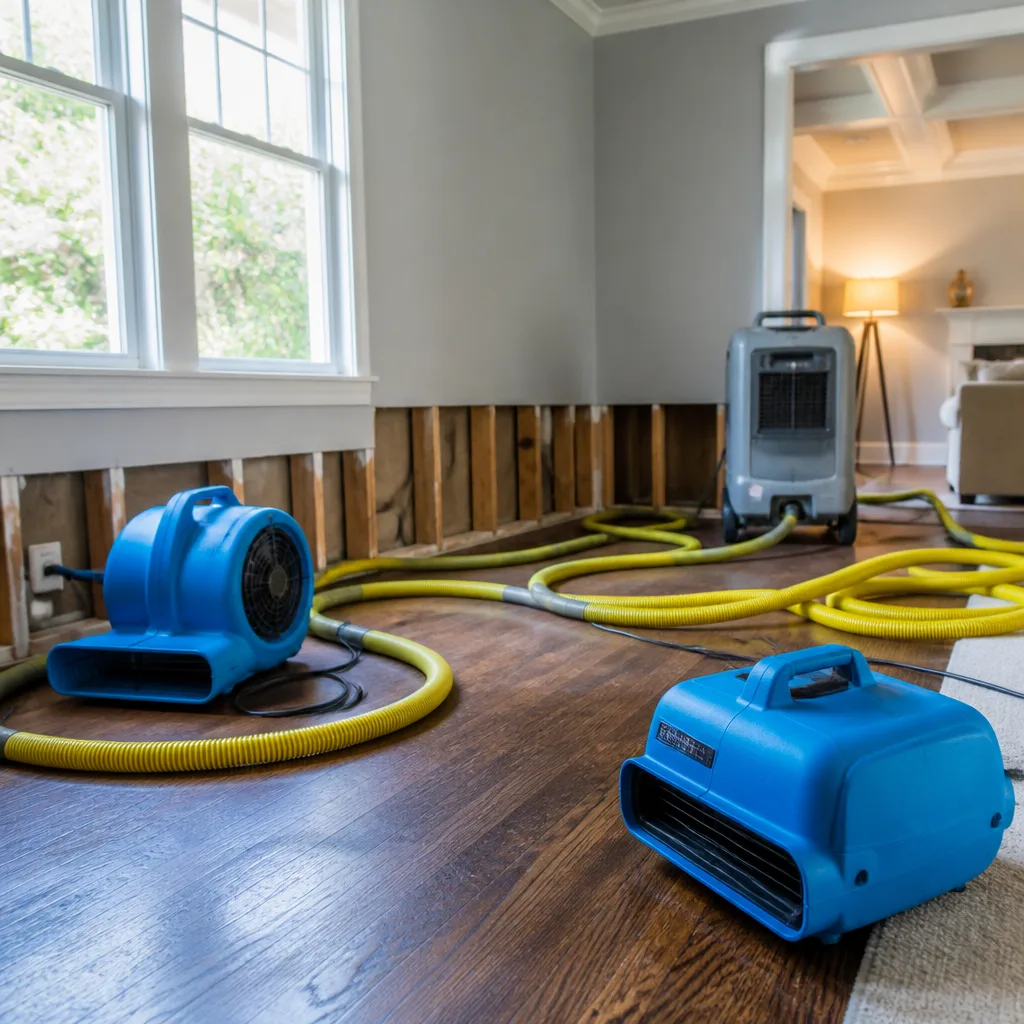
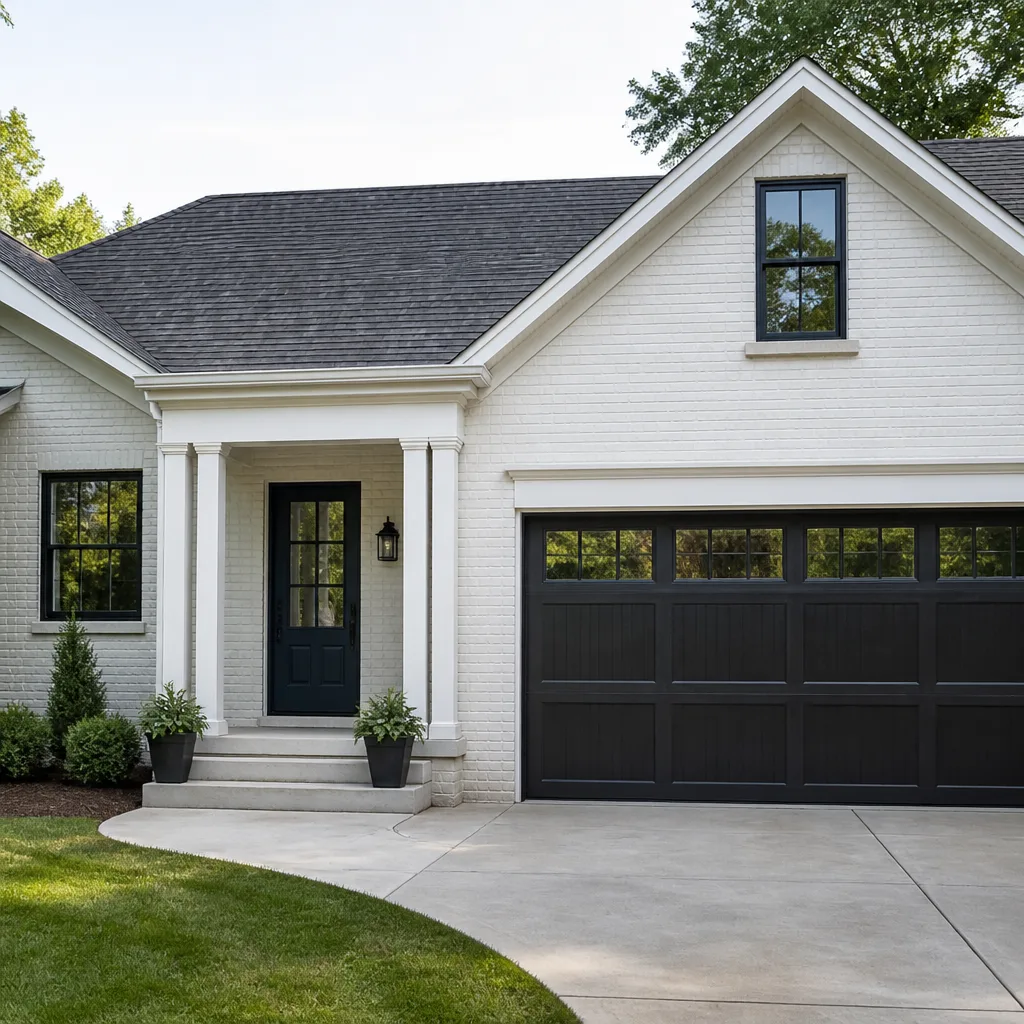
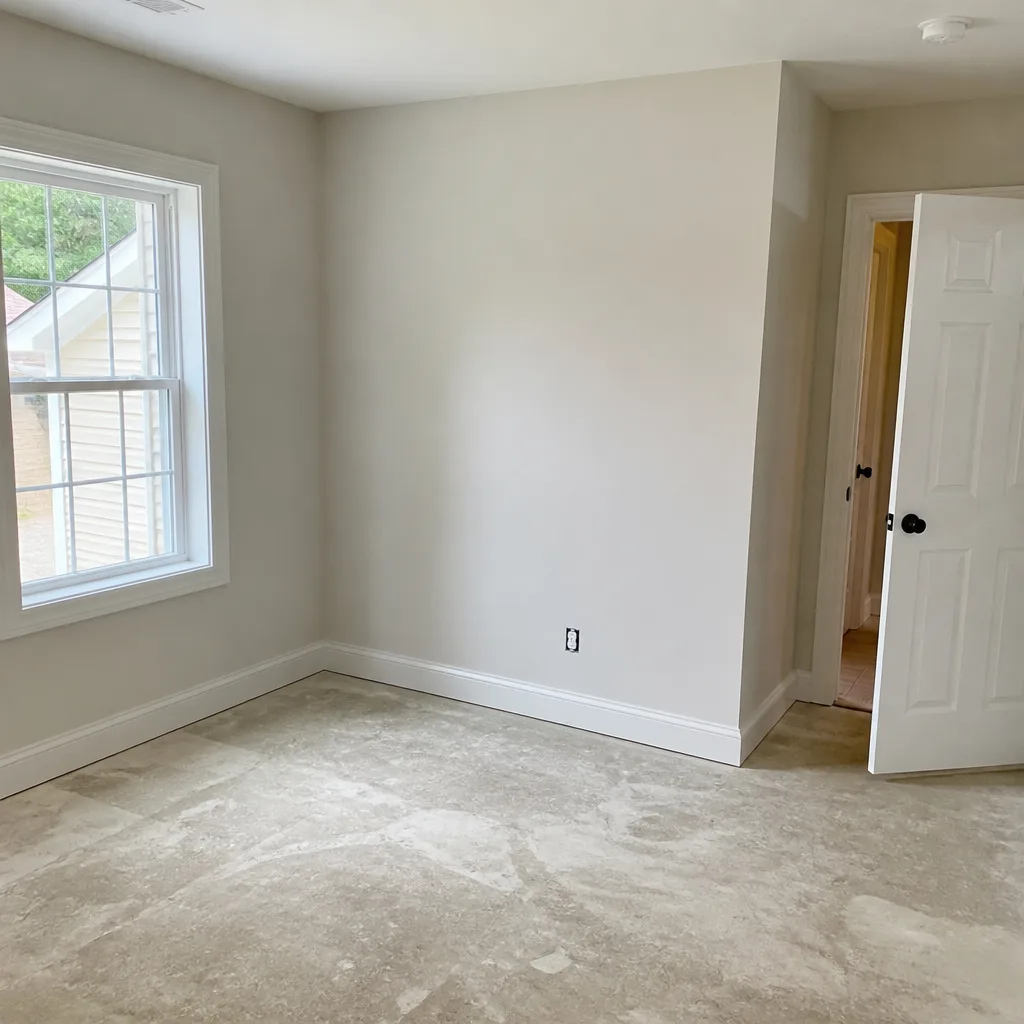
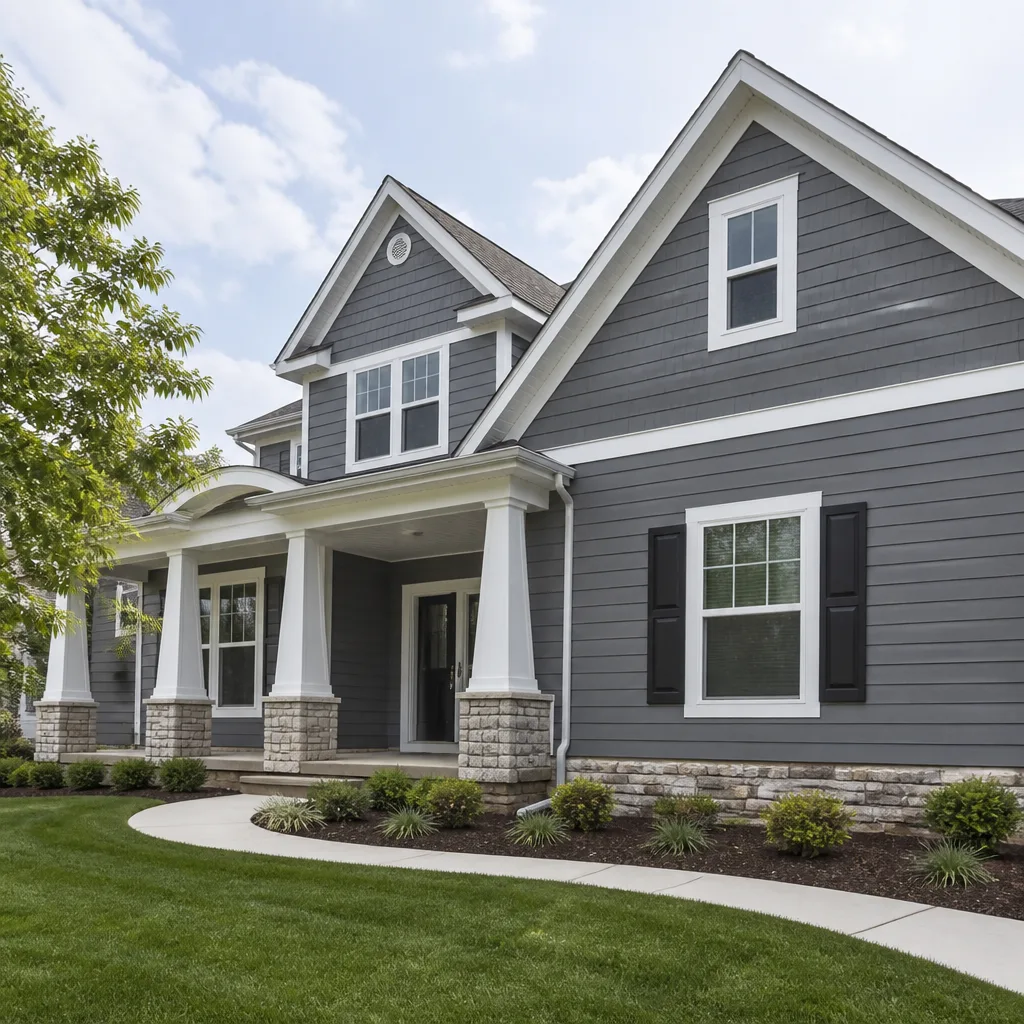
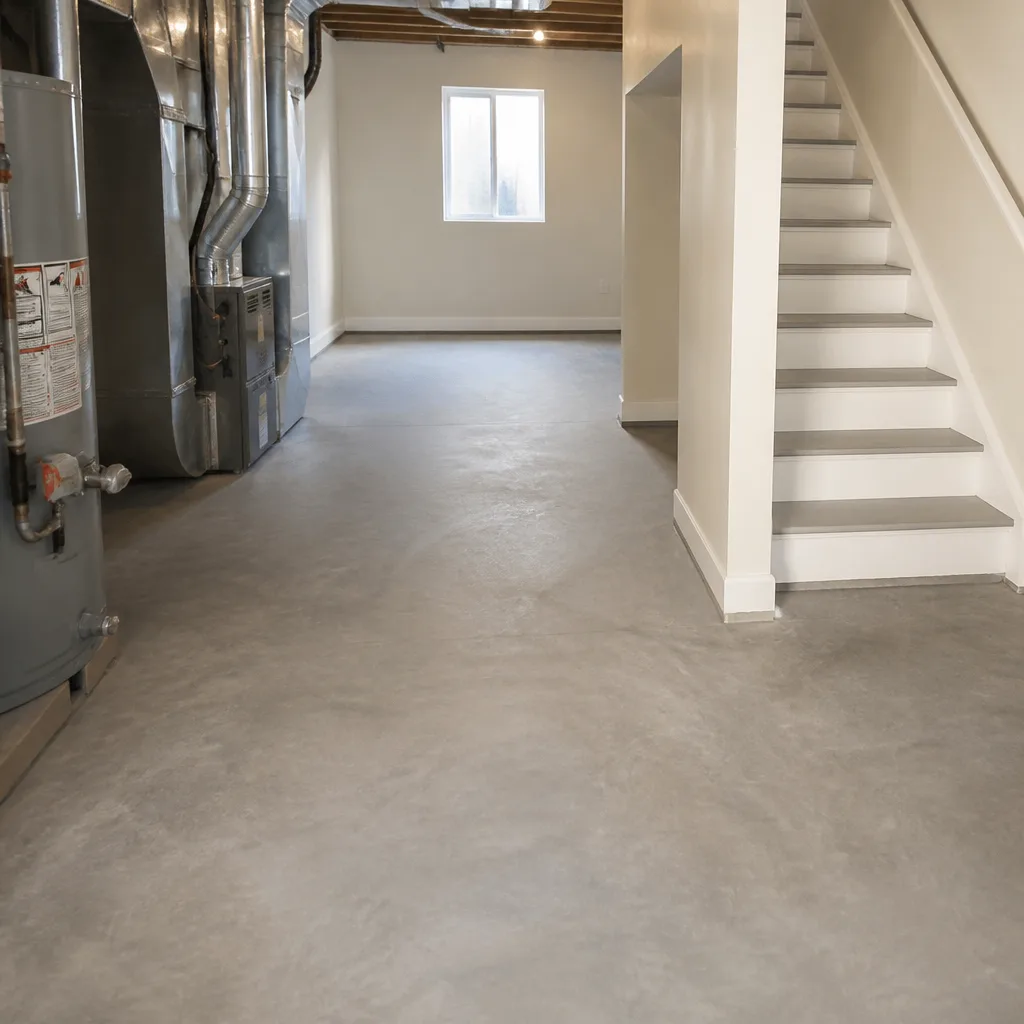

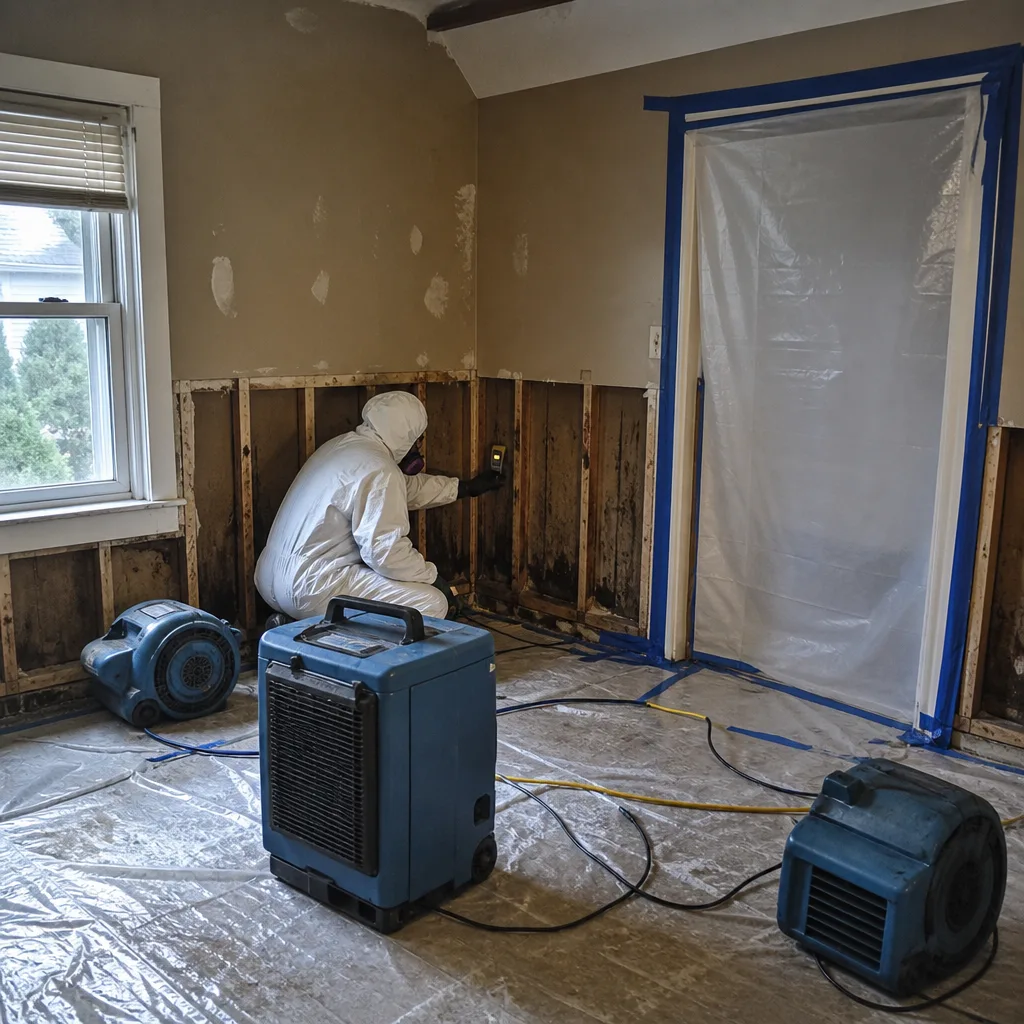 Before
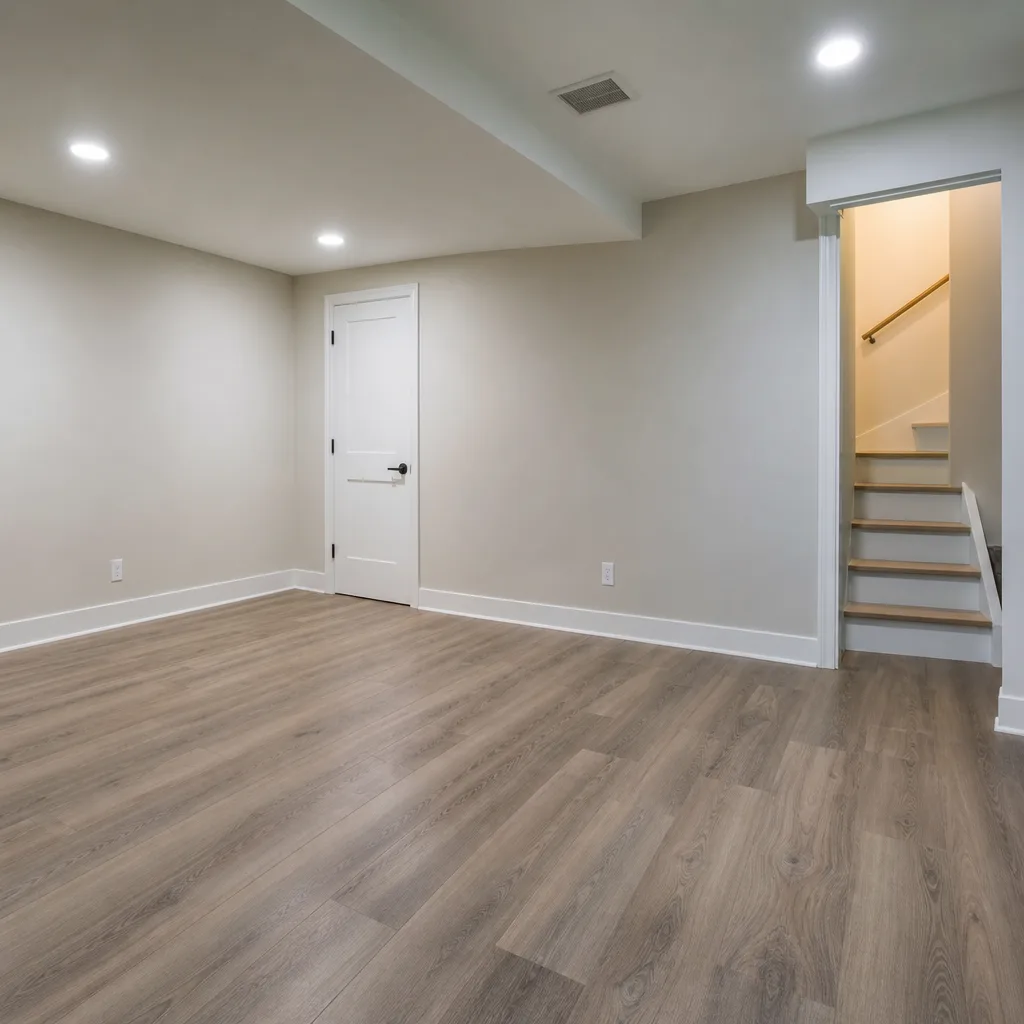 After
After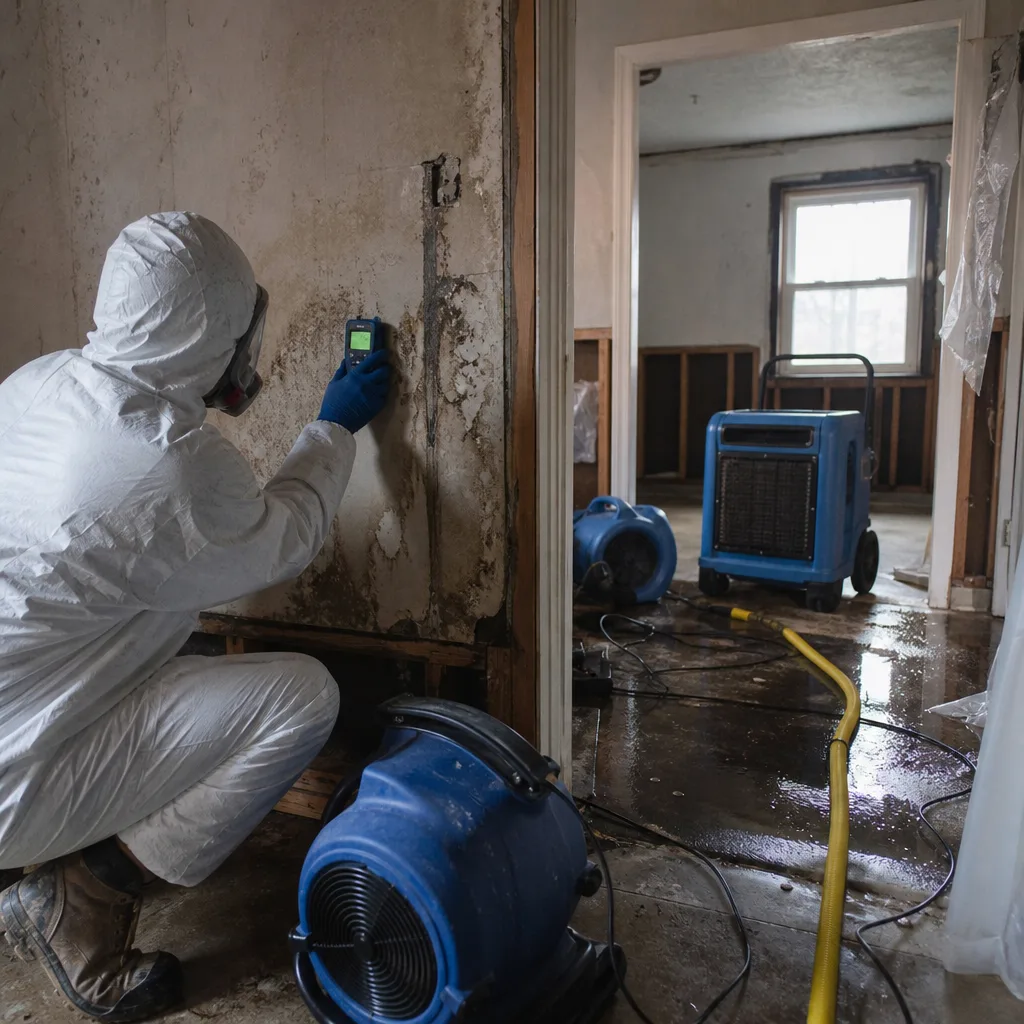 Before
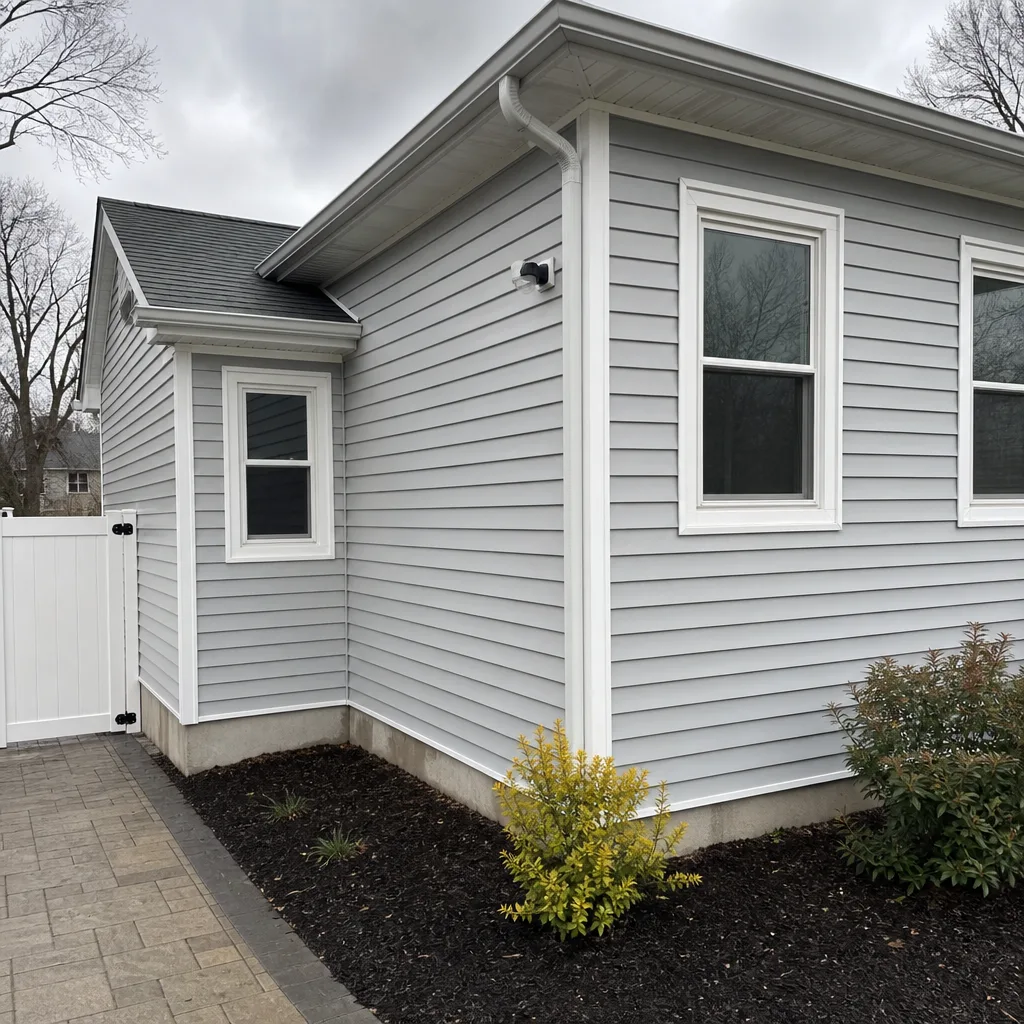 After
After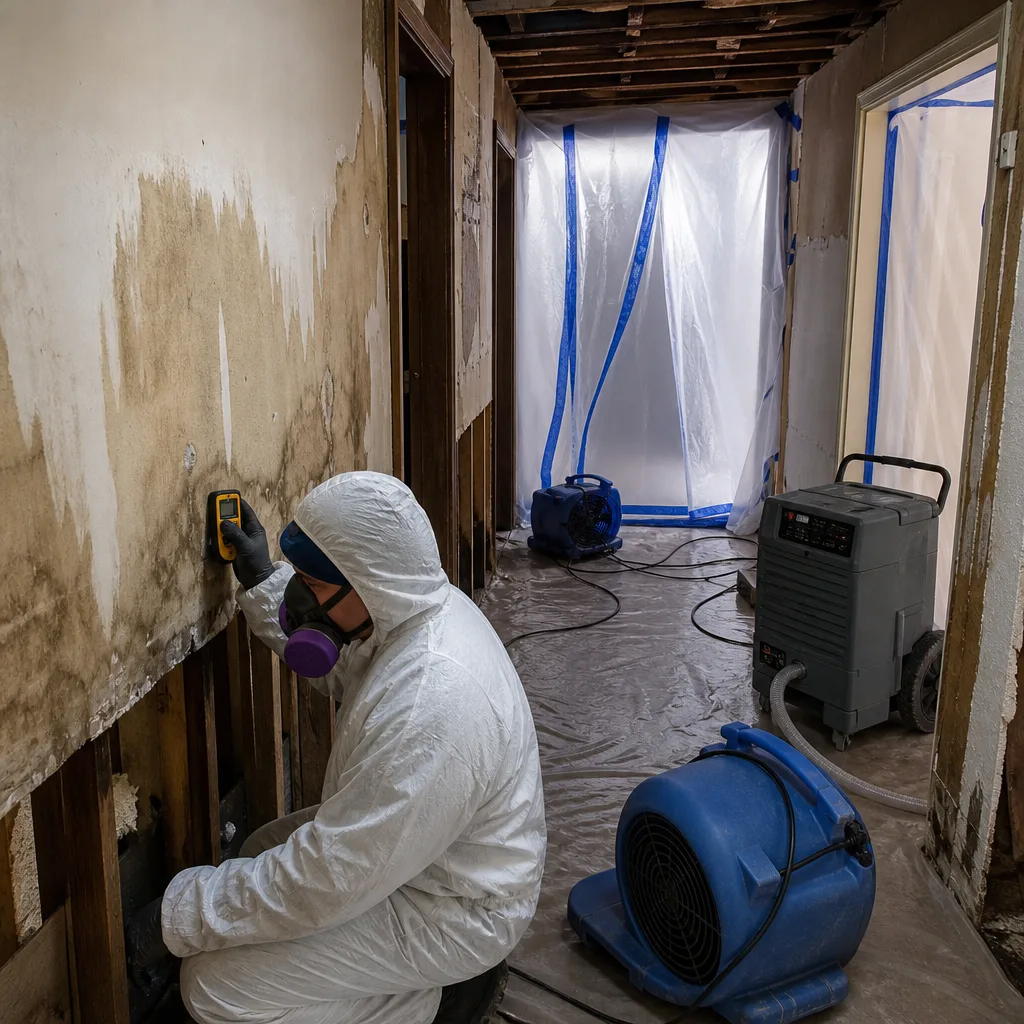 Before
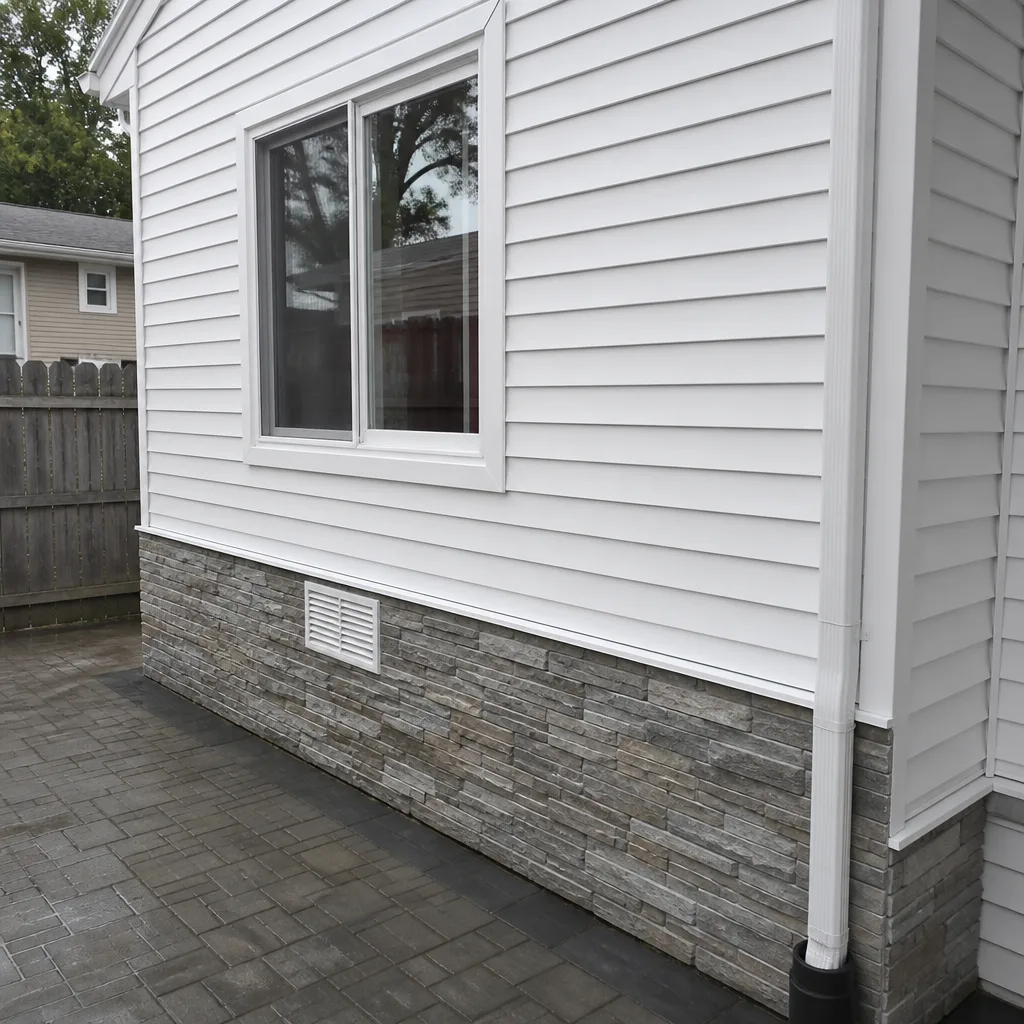 After
AfterDamage Restoration Permits, Codes & Inspections in NJ: What You Need to Know
Most New Jersey homeowners find out about restoration permits the hard way: standing in a wet living room at two in the morning, on the phone with their insurance carrier, while a restoration crew waits to cut drywall. Here’s the counterintuitive part: in many NJ municipalities, you don’t need a permit to start emergency mitigation. You need one to finish the rebuild. The line between those two phases is where Teaneck homeowners get into trouble, and it’s rarely explained clearly until a building inspector is asking questions. This guide covers what actually requires a permit, which codes apply after fire, water, mold, and storm damage, how inspections work, what your restoration contractor should handle for you, and the mistakes that cost homeowners weeks of delay and thousands in rework.
Quick Answer
In New Jersey, emergency water extraction, drying, and demolition of unsalvageable materials generally do not require a permit, but structural repairs, electrical work, plumbing changes, and any rebuild beyond like-for-like replacement almost always do. Fire damage restoration that touches framing, electrical systems, or egress requires permits and multiple inspections. The New Jersey Uniform Construction Code (NJ UCC) governs all of this, enforced locally by each municipality’s construction official. Working with a restoration company that pulls permits, schedules inspections, and documents everything for your insurance carrier saves weeks compared to managing it yourself.
Table of Contents
- The NJ Uniform Construction Code: What It Actually Covers
- When Restoration Work Needs a Permit (And When It Doesn’t)
- Water Damage Restoration: Codes, Drying Standards, and Hidden Permit Triggers
- Fire Damage Restoration: The Most Permit-Heavy Restoration Category
- Mold Remediation in NJ: Standards, Licenses, and Inspection Reality
- Electrical and Plumbing After Damage: Why These Trigger Inspections
- The NJ Inspection Process, Step by Step
- How Permits and Inspections Interact With Your Insurance Claim
The NJ Uniform Construction Code: What It Actually Covers
The New Jersey Uniform Construction Code, adopted under the State Uniform Construction Code Act, is the single set of rules that governs all construction, renovation, and restoration work in the state. Unlike some states where each town writes its own code, New Jersey operates under one adopted model code with local amendments. Your town enforces it; the state defines it.
The NJ UCC adopts the International Building Code (IBC), International Residential Code (IRC), International Mechanical Code (IMC), National Electrical Code (NEC), and National Standard Plumbing Code as its baseline. What that means for a Teaneck homeowner after a burst pipe or kitchen fire is simple: the same code applies whether you’re building a new addition or rebuilding two walls after water damage. There’s no “restoration exemption” in the code, even if the work feels like putting things back the way they were.
Local construction officials in Bergen County municipalities like Teaneck enforce the UCC with a degree of judgment. An inspector isn’t going to care that your great-grandfather installed the original lath and plaster in 1923. What matters is whether the replacement work meets current code. If you’re replacing a section of wall that had no insulation, the rebuilt wall must be insulated to current energy code. If you’re reinstalling a bathroom fan, it must meet current ventilation requirements. This is where restoration quietly becomes an upgrade, and where honest pricing conversations happen between homeowners and restoration contractors.
Anyone performing construction work in New Jersey that requires a permit must be registered as a Home Improvement Contractor (HIC) with the NJ Division of Consumer Affairs. Restoration work that involves reconstruction falls under this requirement. It’s worth confirming your restoration contractor holds a current HIC registration before any rebuild phase begins. The registration number must appear on contracts and advertisements in New Jersey.
When Restoration Work Needs a Permit (And When It Doesn’t)
The simplest framing: emergency mitigation is exempt from permitting; reconstruction is not. That’s true in most New Jersey municipalities, including Teaneck, but the line isn’t always obvious to a homeowner standing in a damaged house.
Work that typically does not require a permit during restoration:
- Water extraction and dehumidification with drying equipment
- Removing wet carpet, pad, and non-structural drywall
- Cutting out damaged wall sections for drying access
- Controlled demolition of unsalvageable materials
- Mold remediation, including containment and material removal
- Content cleaning, pack-out, and deodorization
- Replacing like-for-like finish materials (drywall in the same configuration, paint, trim, flooring of the same type)
Work that generally does require a permit:
- Any structural repair to framing, beams, joists, or load-bearing walls
- Electrical work beyond device replacement (new circuits, panel changes, rewiring)
- Plumbing work beyond fixture replacement (moving lines, replacing pipe sections)
- HVAC ductwork replacement or significant system repairs
- Window or door replacement that changes rough opening size
- Roof sheathing or rafter replacement
- Changes to fire-rated assemblies or egress paths
- Anything that changes the building’s footprint, floor plan, or occupancy classification
Here’s the nuance that trips up homeowners: replacing a water-damaged electrical outlet is fine. Replacing the wiring that feeds that outlet because the water corroded it back into the wall? That’s electrical work needing a permit and an inspection. A restoration contractor who knows the Teaneck building department’s expectations will flag these transitions before work begins, not after the walls are closed. That’s the difference between a one-visit job and a two-month headache.
Water Damage Restoration: Codes, Drying Standards, and Hidden Permit Triggers
Water damage is the most common restoration category in New Jersey, and it’s also the one where permit confusion runs deepest. A burst supply line in a Teaneck cape cod or a failed water heater in a Hackensack colonial usually starts with emergency extraction. That work is unpermitted, and rightly so: speed matters, and a permit application shouldn’t stand between a homeowner and a drying floor.
The restoration industry standard for structural drying is the IICRC S500 Standard and Reference Guide for Professional Water Damage Restoration. A certified firm documents moisture levels daily until affected materials reach the dry standard for their specific material type. That documentation matters for two reasons: it proves to your insurance carrier that drying was done properly, and it protects you if a secondary issue (like mold) develops later. In our experience working Teaneck homes, the moisture log we hand over at the end of a job is the single most useful piece of paper in the whole file.
Where water damage crosses into permit territory:
- Structural drying exposed framing damage. If studs or joists are rotted, warped, or compromised, replacing them requires a permit.
- Electrical components got wet. The NEC requires replacement of wiring and devices that were submerged or exposed to significant water. That replacement triggers an electrical permit.
- Plumbing repairs go beyond the fixture. Replacing a water heater is generally a straightforward plumbing permit. Replacing a section of failed copper or PEX supply line is also permitted work.
- The repair changes the wall assembly. If you had plaster and lath and the restoration replaces it with drywall, that’s a material change that technically triggers a permit in many municipalities.
- Flooring replacement changes the subfloor. Replacing tile with tile is finish work. Replacing rotten subfloor panels is structural work.
One Teaneck-specific note: many homes in this area were built before 1950. Older construction means plaster walls, balloon framing, and electrical systems that predate grounding requirements. When water damage affects those systems, the code doesn’t require bringing the whole house up to modern standard, but it does require the affected area to meet current code. That can mean running new grounded circuits where old knob-and-tube was removed. A restoration firm that understands older Teaneck housing stock will flag this early and price it honestly.
Fire Damage Restoration: The Most Permit-Heavy Restoration Category
Fire restoration is where permits become unavoidable. A fire that damages framing, electrical, or egress paths almost always requires multiple permits and a sequence of inspections before a certificate of occupancy can be reissued.
Here’s a typical fire restoration permit sequence in a Teaneck home:
- Structural permit for framing repair, roof repair, or load-bearing element replacement
- Electrical permit for rewiring damaged circuits, replacing the panel, or installing new smoke detectors
- Plumbing permit if firefighting water or heat damaged supply lines
- Mechanical permit for furnace, boiler, or ductwork replacement
- Fire protection inspection for smoke detector placement, carbon monoxide detection, and egress compliance
Fire restoration also involves what the insurance industry calls “like kind and quality” reconstruction. The NJ UCC doesn’t care about your insurance policy limits. It cares whether the rebuilt assembly meets current code. If your policy covers rebuilding a 1980s kitchen but the current code requires AFCI protection on the circuits, the restoration must include that. Most homeowner policies include code upgrade coverage (Ordinance or Law coverage) for exactly this scenario, but the limits vary widely.
One thing we tell every fire restoration client: smoke damage alone doesn’t require permits. Cleaning contents, deodorizing, sealing surfaces, and repainting are restoration activities, not construction. The permit trigger is always structural or mechanical. That distinction matters because it determines when the project timeline shifts from “we’re doing this now” to “we’re doing this after the permit is issued.”
Teaneck Fire Restoration Reality
Teaneck’s building department, like most in Bergen County, moves quickly on fire restoration permits when the application is complete. The delay is rarely the township. It’s usually incomplete applications from contractors who don’t do fire restoration regularly. A complete application includes the damage assessment, scope of work, material specifications, and a clear list of code upgrades. A restoration firm that handles fire jobs regularly will get this right the first time.
Mold Remediation in NJ: Standards, Licenses, and Inspection Reality
New Jersey has specific regulations for mold remediation. The Mold Remediation Rules, administered by the NJ Department of Health, require that any business performing mold remediation in a residential property with more than 10 square feet of visible mold be properly certified. The regulations also require a separate mold assessment be performed by an independent party before and after remediation, with some exceptions for small projects.
The practical landscape in Teaneck and surrounding Bergen County towns works like this: your restoration contractor does the mold removal, and an independent mold assessment professional does the pre-testing and post-remediation verification. This separation of assessment and remediation is built into the NJ rules to prevent conflicts of interest. If a company offers to do both on the same job, they may not be compliant with the NJ Mold Remediation Rules as they apply to larger projects.
What the homeowner should know:
- Mold remediation itself does not require a construction permit unless it involves structural material removal beyond the finish layer
- The IICRC S520 Standard for Professional Mold Remediation is the industry reference for containment, negative air, HEPA filtration, and material removal
- Post-remediation verification (clearance testing) should confirm that indoor mold levels return to normal background levels
- The original water source must be fixed before remediation begins, or the mold will return
- Documentation of the remediation process and clearance results matters for resale disclosure in New Jersey
One thing that surprises homeowners: mold remediation is not a permit-heavy activity in New Jersey, but it is documentation-heavy. The state wants a paper trail. The insurance carrier wants a paper trail. The homeowner who sells in five years needs that paper trail for disclosure forms. A restoration company that follows IICRC S520 and documents the work protects everyone involved.
Electrical and Plumbing After Damage: Why These Trigger Inspections
Electrical and plumbing are the two trades that most reliably trigger permits and inspections after damage restoration. There are two reasons. First, the codes that govern them (NEC and National Standard Plumbing Code) are strict about damaged components. Second, municipal inspection departments treat electrical and plumbing permits as revenue and as life-safety enforcement. They will not skip an inspection that’s listed on the permit.
Electrical specifics after water or fire damage:
- Any outlet, switch, or junction box that was submerged or exposed to significant water must be replaced
- Wiring that was exposed to heat from a fire must be replaced back to the nearest undamaged junction point
- GFCI protection is required in all wet locations (kitchens, bathrooms, laundry, exterior)
- AFCI protection is required in bedrooms and common living areas for new circuits
- Smoke detectors in New Jersey must be interconnected and include photoelectric technology on each level of the home
Plumbing specifics after damage:
- Supply lines that were frozen and burst must be replaced, not spliced
- Any drain line damaged by fire or impact requires replacement of the damaged section
- Water heater replacement requires a plumbing permit and final inspection in most NJ municipalities
- Backflow prevention requirements apply in commercial properties; residential is generally exempt
In Teaneck, the electrical inspector and plumbing inspector work under the construction official. Scheduling is typically performed by the contractor’s office. Inspection turnaround in Bergen County is normally one to three business days, though it can stretch during high-volume periods in early summer and after major storm events. A restoration contractor who regularly works Teaneck will have established relationships with the inspection office and knows how to schedule efficiently.
The NJ Inspection Process, Step by Step
If you’ve never dealt with a municipal building department before, the inspection process can feel opaque. Here’s the sequence as it applies to a typical fire or major water restoration project in New Jersey:
- Permit application is filed. Your restoration contractor (or the relevant subcontractor) files the permit application with the Teaneck construction office. The application includes the scope of work, material specifications, and the contractor’s NJ HIC registration.
- Plan review, if required. Simple repairs may not require plan review. Structural changes or significant electrical work might. Plan review adds days to the timeline.
- Permit issuance. Once fees are paid, the permit is issued and work begins on the permitted scope.
- Rough inspection. This happens before walls are closed. The inspector verifies framing, electrical rough-in, plumbing rough-in, and fire-blocking. If work fails, it’s corrected and reinspected.
- Final inspection. After finish work is complete, the inspector returns to verify everything meets code. This includes smoke detector placement, GFCI operation, and egress.
- Certificate of approval. For most residential restoration, the final approved inspection serves as the close-out. For fire damage that required a full vacate, a Certificate of Occupancy or Continued Occupancy may be required before the family moves back in.
The entire process for a typical restoration permit in Teaneck ranges from one to six weeks depending on scope, inspection scheduling, and correction cycles. A restoration firm that preps the work for inspection the first time saves the most time. Failed inspections are the single biggest cause of restore-project delays in our experience.
How Permits and Inspections Interact With Your Insurance Claim
Here’s the piece that rarely gets explained clearly: permits and inspections are part of your insurance claim, whether or not your policy statement says so explicitly. The insurance carrier’s role is to pay for covered damage. The municipality’s role is to ensure the repair meets code. These two systems overlap in ways that create friction if they’re not managed together.
The most important insurance considerations for NJ homeowners:
- Code upgrade coverage (Ordinance or Law). Most standard homeowners policies include some code upgrade coverage, often 10% of the dwelling limit. That’s rarely enough for a full fire rebuild with significant electrical upgrades. Some carriers offer higher limits as an endorsement.
- Documentation requirements. Your carrier will want the permit, the inspection reports, and the before-and-after scope documentation. This is where a restoration firm that handles insurance work directly proves its value: the paperwork goes to the adjuster without you playing middleman.
- Depreciation and permits. Some carriers include permit fees in the claim. If your restoration contractor is billing you separately for permits, confirm whether your policy covers it. Many do.
- Timing. The permitting timeline can conflict with the claim’s time limits. Most policies require you to complete repairs within a set period. If permitting delays push beyond that, the carrier may extend if they’re kept informed. Silence is what causes problems.
In Teaneck, we’ve handled claims where the carrier required the permit before releasing the full replacement cost holdback. That’s standard. What’s not standard is a restoration company that knows how to move the permit through while keeping the adjuster informed. That coordination is what keeps the project moving and the homeowner out of the carrier-contractor loop.
Common Mistakes to Avoid
- Assuming all restoration work is permit-free. Emergency mitigation is, but reconstruction isn’t. The moment structural repair, electrical work, or plumbing changes enter the scope, the permit is required. Homeowners who skip this often face stop-work orders and penalties.
- Using an unregistered contractor for the rebuild phase. In New Jersey, reconstruction work requires an HIC registration. If the guy who did your emergency extraction doesn’t have one, he should not be doing the rebuild.
- Closing walls before the rough inspection. We’ve seen this in Teaneck more times than we can count: a contractor frames, insulates, and hangs drywall, then calls for the inspection. The inspector issues a stop-work order because the rough wasn’t inspected. The drywall comes down. The homeowner pays twice.
- Ignoring the older-home code reality. A 1930s Teaneck colonial has original wiring, plaster, and likely no insulation. Rebuilding to current code in one affected room is often more involved than the homeowner expects. A restoration firm experienced with Bergen County’s older housing stock will warn you before you’re surprised.
- Treating mold as a cleaning problem instead of a source problem. Mold returns if the water source remains. Remediation without source correction is wasted money. The NJ mold regulations also require the independent assessment on larger projects. Skipping that can complicate resale.
- Not confirming code upgrade coverage with your carrier before reconstruction begins. The gap between basic replacement cost and code-required upgrades can be significant after a fire. Knowing your Ordinance or Law limits early lets you plan the rebuild scope realistically.
- Paying the final contractor invoice before the final inspection passes. The final inspection is your leverage. Once you’ve released final payment, a contractor who balked at corrections has little incentive to return. Hold final payment until the inspection is approved and you have the paperwork.
When to Call a Professional
If your damage incident involves any structural component, any electrical exposure to water or fire, any plumbing beyond a simple fixture replacement, or any mold growth beyond a small surface area, you should have a professional restoration contractor managing the permit and inspection process. The scenarios are specific: a kitchen fire that melted wiring, a frozen-pipe burst that soaked wall cavities on two floors, a storm surge that left three feet of water in a finished basement, a roof leak that saturated ceiling joists. In each case, the permit path exists and the inspection schedule matters. Floodline Restoration Co. offers free estimates in Teaneck and the surrounding Bergen County area. Call (551) 365-4026. A live dispatcher answers. We’ll send a background-checked, uniformed technician to assess the damage and explain exactly what needs a permit and what doesn’t. No sales pressure, no obligation.
Frequently Asked Questions
You do not need a permit for emergency water extraction, drying, and controlled demolition of unsalvageable finish materials. You do need a permit if the restoration includes structural framing repair, electrical work beyond device replacement, plumbing changes, or anything that alters the wall assembly beyond like-for-like replacement. A qualified restoration contractor will identify permit triggers before the reconstruction phase begins. Call (551) 365-4026 for a free assessment of your specific damage.
In Teaneck, a straightforward restoration permit with a complete application is typically issued within one to two weeks. Inspection scheduling adds one to three business days per inspection. The full process including rough and final inspections runs one to six weeks depending on scope. Our experience with the Teaneck construction office is that complete applications move quickly; incomplete ones sit. That’s why we submit complete applications the first time.
New Jersey’s Mold Remediation Rules require an independent mold assessment after remediation for residential projects over 10 square feet of visible mold. Teaneck enforces this through the state regulations rather than municipal code. A licensed mold assessment professional performs post-remediation verification and issues the clearance report. The restoration contractor should not be the one doing the final clearance testing.
Most homeowners policies include coverage for permit fees as part of the covered repair. Code upgrade coverage, called Ordinance or Law coverage, is usually included at 10% of the dwelling limit by default. That percentage is often insufficient after a major fire that requires full electrical modernization. Contact your carrier or agent to confirm your limit. Floodline Restoration Co. bills carriers directly and handles the permit paperwork as part of the claim documentation.
It depends on the damage and the municipality’s determination. If the fire department or building official posted the property as unsafe or uninhabitable, you cannot occupy the home until the Certificate of Occupancy is issued. If the damage is less severe and the home is habitable, you can typically remain during the restoration work as long as the permitted areas are properly separated from living space. Teaneck’s construction official makes the call on habitability.
If Teaneck discovers unpermitted work that required a permit, the construction office can issue a stop-work order and a notice of violation. You’ll be required to file for a permit after the fact, open walls for inspection if the work was already closed, and pay double permit fees in many cases. If the work doesn’t meet code, it must be corrected at your expense. Insurance carriers may also deny the portion of the claim related to unpermitted work if it violates the policy’s compliance requirements.
Restoration contractors performing reconstruction work in New Jersey must hold a Home Improvement Contractor (HIC) registration with the NJ Division of Consumer Affairs. Emergency mitigation-only work may not require HIC registration, but any contractor performing the rebuild phase must be registered. Confirm the HIC number appears on the contract before work begins. Floodline Restoration Co. technicians are also certified to IICRC standards and trained to RIA guidelines, and every job is backed by the 90-Day Done Right Promise in writing.
The Bottom Line
Damage restoration in New Jersey sits at the intersection of two systems: the municipality’s permit and inspection process, and your insurance carrier’s documentation requirements. Emergency mitigation gets fast-tracked for good reason; reconstruction follows the same permitting path as any remodel. The homeowners who navigate this without stress are the ones working with a restoration contractor who submits complete applications, schedules inspections correctly, documents moisture and clearance properly, and bills the carrier directly. The ones who try to manage it themselves usually lose weeks and pay more. Our team at Floodline Restoration Co. home has served Teaneck since 2010. We handle the permits, the inspections, and the insurance paperwork. You get your home back, done right, with the 90-Day Done Right Promise in writing. Call (551) 365-4026 for a free estimate, any hour.
Written by Curt Bowman, Owner at Floodline Restoration Co., serving Teaneck since 2010.