
Last updated August 25, 2026
Free visual inspection and a written scope of work before any mitigation begins - photos, moisture readings, and drying logs go in your claim file
The scope we write is the scope we bill. Anything new gets shown to you, in writing, before we touch it.



 Before
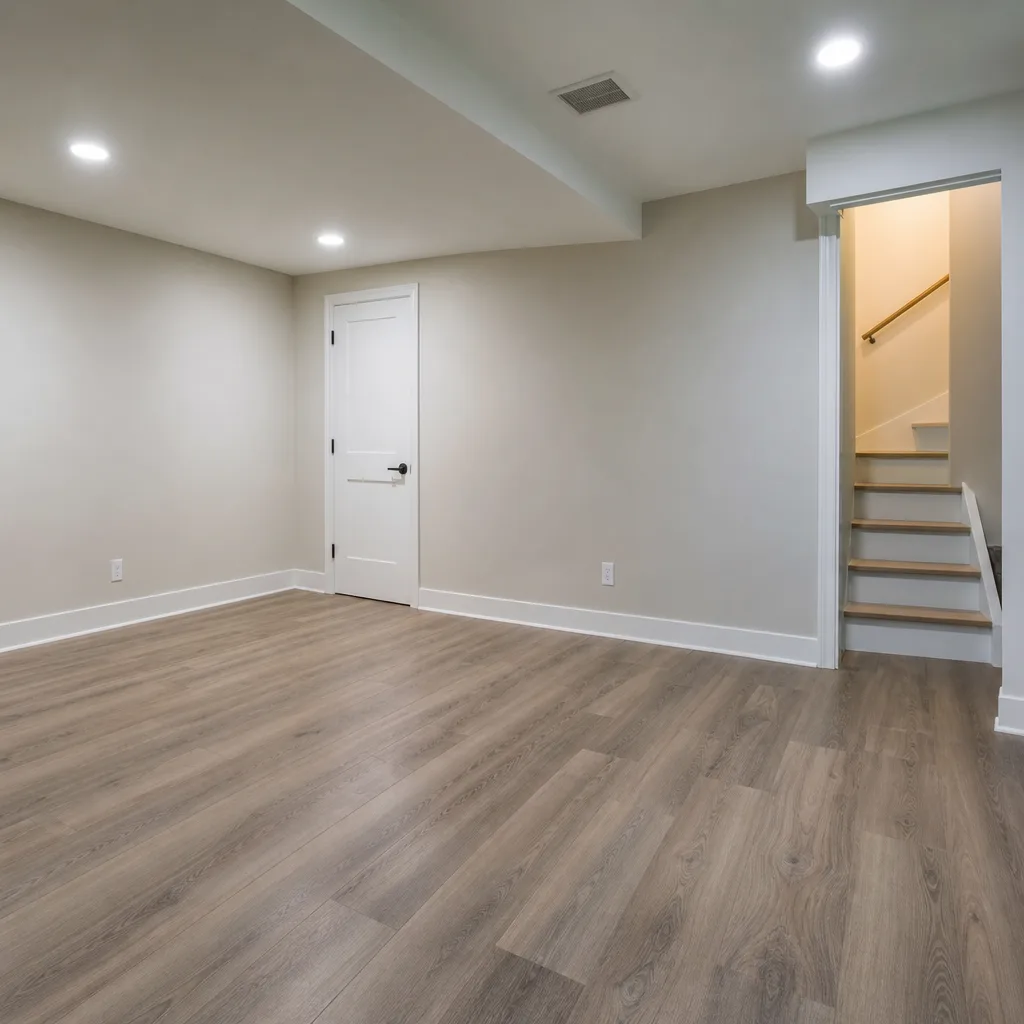 After
After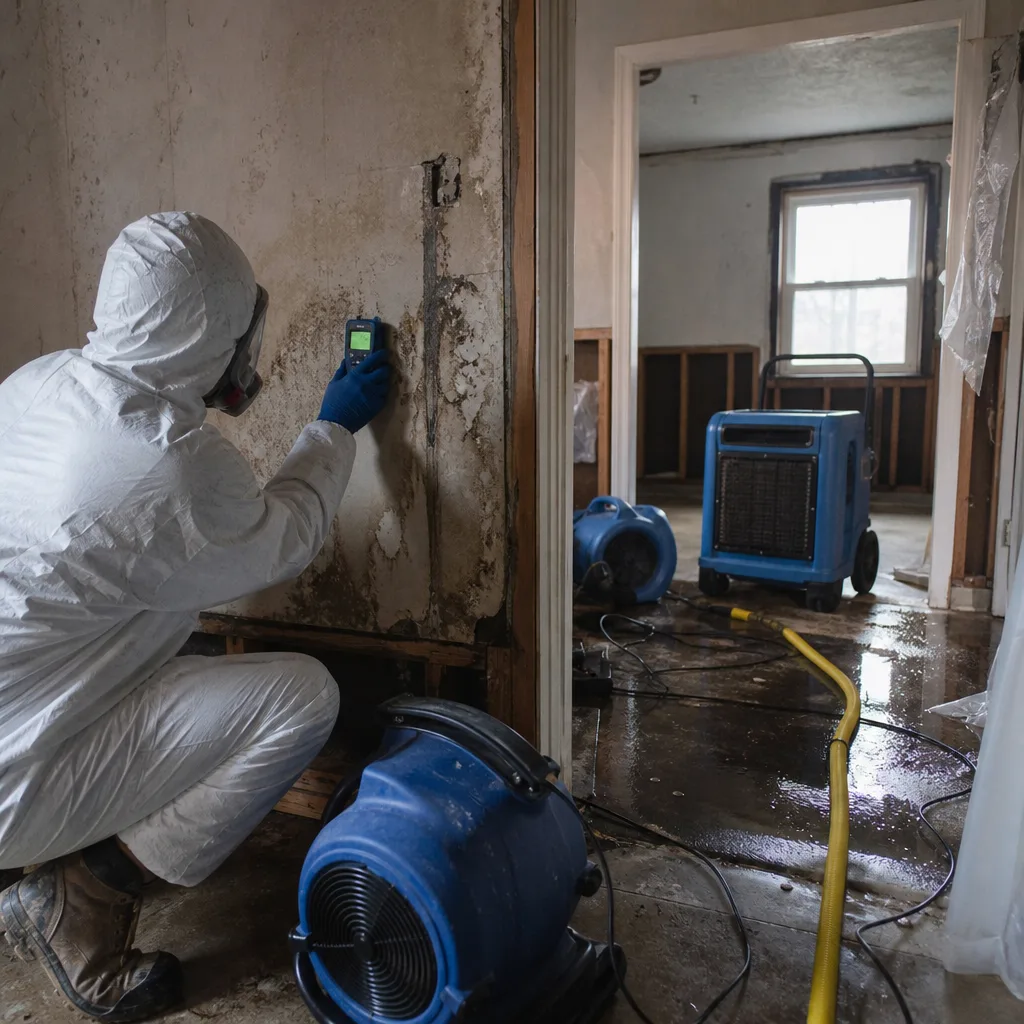 Before
 After
After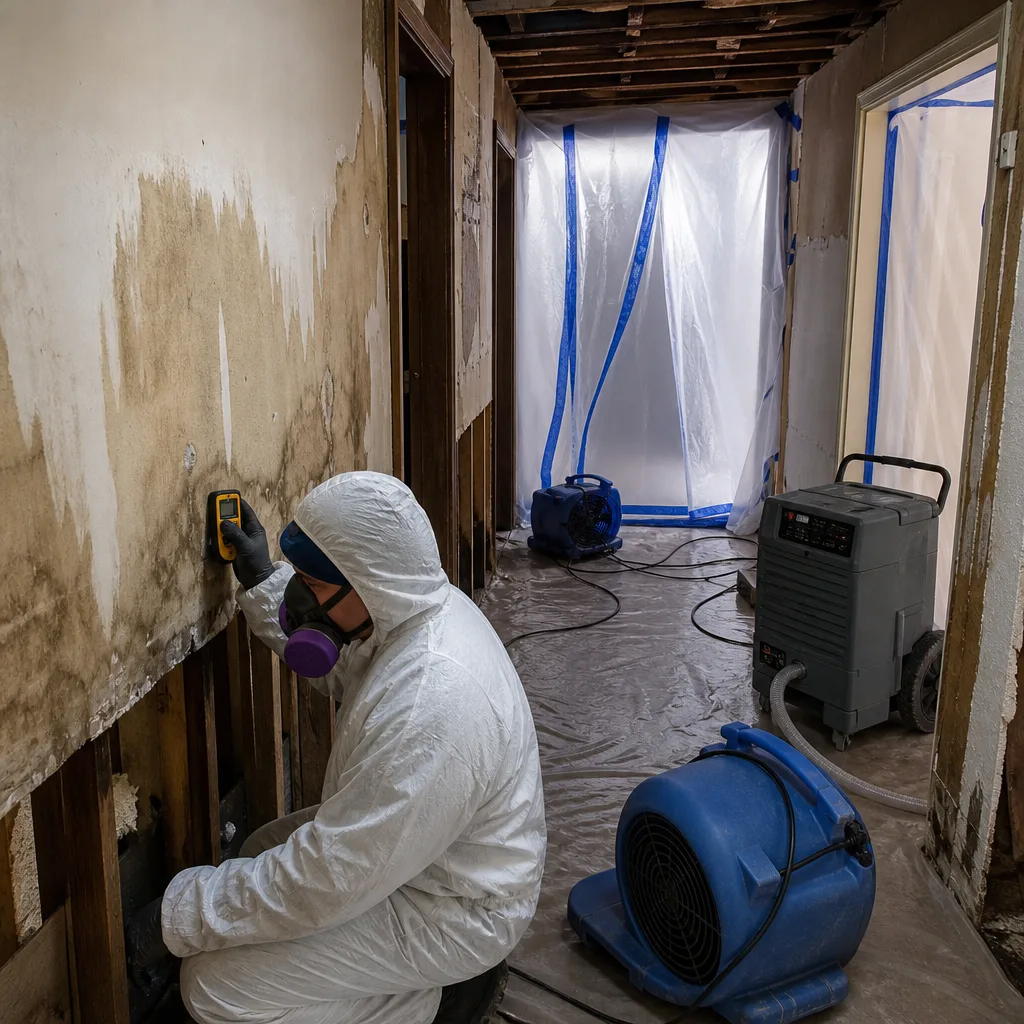 Before
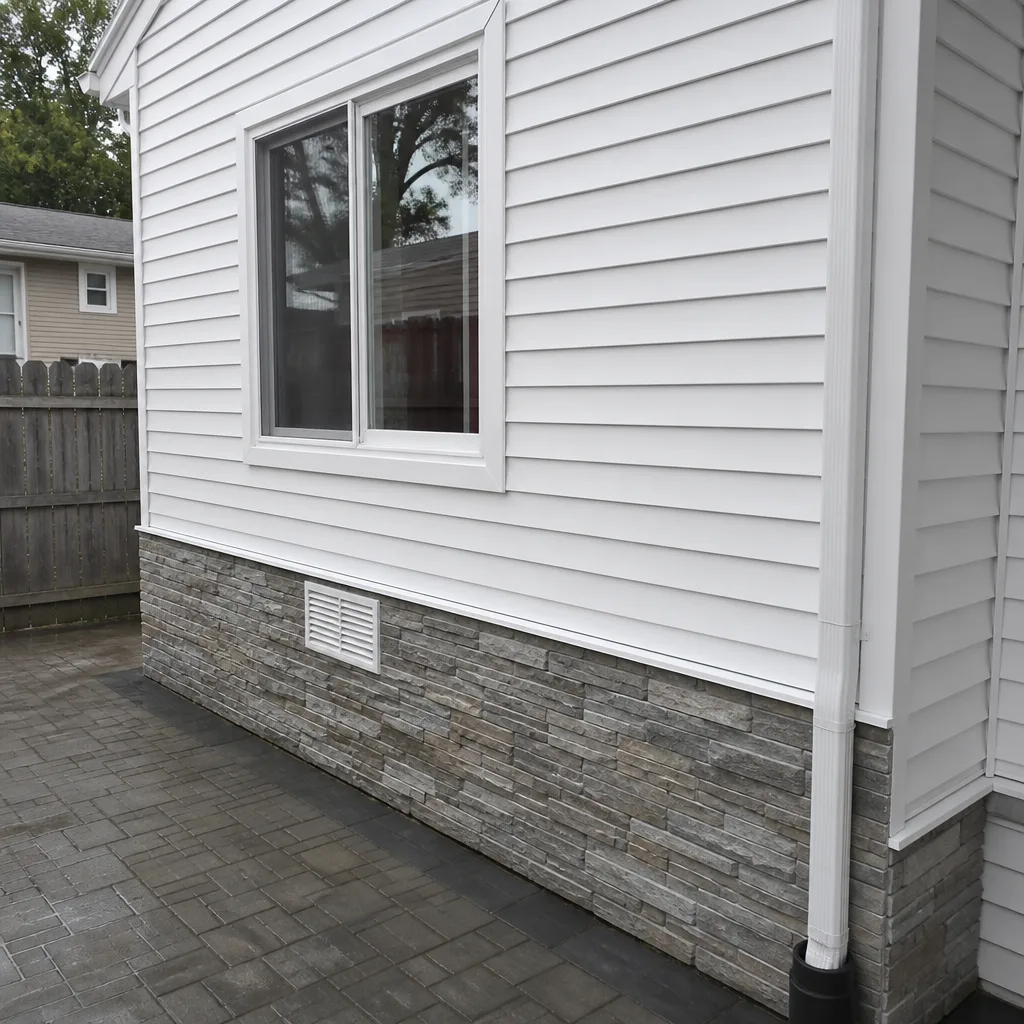 After
AfterSeasonal Damage Restoration Care for Teaneck: Year-Round Homeowner’s Guide
Most Teaneck homeowners don’t think about water damage until they’re standing in it. But here’s what 42 years of local restoration work has taught us: the houses that suffer the worst damage aren’t the unlucky ones. They’re the ones where a small, seasonal issue went unnoticed for six months. A gutter that pulled away from the fascia in February. A downspout extension that got kicked aside in July. An ice dam that formed, melted, and quietly rotted the sheathing under the shingles. This guide covers what actually happens to Teaneck homes through all four seasons, when to act, and when to call someone who does this work every day.
Quick Answer
Teaneck homes face four distinct seasonal damage cycles: winter ice dams and frozen pipes, spring melt and basement seepage, summer storm-driven water intrusion, and fall gutter and leaf-related drainage failures. The single most effective year-round strategy is a seasonal walkthrough that catches small problems before they become restoration projects. Homes that get four seasonal checks per year typically avoid most major water, mold, and structural damage entirely.
Table of Contents
- Winter: Ice Dams, Frozen Pipes, and Attic Condensation
- Spring: Meltwater, Basement Seepage, and the Teaneck Water Table
- Summer: Storm Damage, Humidity, and Hidden Mold Growth
- Fall: Gutters, Leaves, and Drainage Before the Freeze
- The Seasonal Walkthrough: A Step-by-Step Checklist
- How Insurance Works for Seasonal Damage in Teaneck
- What Professional Equipment Actually Does (and Why It Matters)
- What Seasonal Damage Restoration Costs in Teaneck
- Common Mistakes to Avoid
- When to Call a Professional
- Frequently Asked Questions
- The Bottom Line
Winter: Ice Dams, Frozen Pipes, and Attic Condensation
Teaneck winters average around 26 inches of snow per year, but the real damage usually comes from the freeze-thaw cycle, not the snowfall itself. When snow sits on a roof and the attic is too warm, the bottom layer melts and runs toward the eaves, where it refreezes. That ridge of ice is an ice dam, and it forces meltwater back under the shingles, into the soffit, and down inside wall cavities.
In our experience, the neighborhoods most affected are the older homes east of Teaneck Road and the Mid-Century splits west of River Road. These houses often have shallower roof pitches and original insulation that doesn’t meet current R-49 attic recommendations for Bergen County. Ice dams form faster on these roofs, and the water they push inside shows up as peeling paint along ceiling edges, damp drywall around window trim, or a musty smell in second-floor closets.
Frozen pipes are the other winter threat, and they burst most often in unheated basements, crawlspaces, and exterior wall runs. When a half-inch copper supply line freezes and splits, it can release 4 to 8 gallons per minute once it thaws. That’s 250 to 500 gallons in an hour, and most of it ends up in the floor framing and basement drywall.
What to watch for between December and March:
- Icicles along the eaves are the first visible sign of an ice dam forming. They mean meltwater is refreezing at the roof edge instead of draining.
- Frost on attic nails or the underside of roof sheathing indicates warm, moist air leaking from the house into the attic. When it thaws, it drips onto insulation and drywall.
- Water meter spinning with all fixtures off can mean a slow leak in a frozen or split pipe inside a wall or under the slab. Catch it before it becomes a visible flood.
Prevention matters here more than in any other season. Keeping gutters clear before the first freeze, sealing attic bypasses around chimneys and recessed lights, and letting a thin trickle of water run from faucets on sub-zero nights all reduce the odds significantly. But when an ice dam has already backed water into the ceiling or a pipe has already burst, the damage is done, and the clock starts. That’s the point where drying needs to begin the same day.
Spring: Meltwater, Basement Seepage, and the Teaneck Water Table
Teaneck sits partly on the Hackensack River floodplain, and sections of the township west of Teaneck Road have a water table that rises significantly in March and April. Snowpack melt in the Pascack Valley and saturated ground from late-winter rain push groundwater up against foundation walls. The result is the familiar spring pattern: damp spots on basement floors, water pushing in through the cove joint where the wall meets the slab, and sump pumps running constantly for weeks.
Spring is also when homeowners discover damage that happened months earlier. A pipe that froze in January and leaked slowly behind a basement wall shows up in April as efflorescence, warped baseboard, or mold behind storage boxes. Ice dam damage from February may not become visible until the ceiling paint starts to bubble in May.
The most common spring failure point we see in Teaneck basements is the floor drain. Many older homes in the township were built with cast-iron drain lines that are now 60 to 80 years old. Hairline cracks and rust-through let groundwater in, and a floor drain that backed up once in a heavy rain will usually back up again until the line is scoped and repaired.
What to check each spring:
- Sump pump operation: pour a bucket of water into the pit and confirm the pump kicks on immediately and discharges away from the foundation. A pump that runs but doesn’t move water is moving through a cracked discharge line.
- Cove joint and wall cracks: run a dry hand along the joint where the floor meets the wall. Any moisture means hydrostatic pressure is actively pushing water through.
- Downspout extensions: verify every downspout discharges at least 6 feet from the foundation. The most common fixable cause of spring seepage is a downspout dumping water against the wall.
- Window wells: clear debris and confirm the well drains catch water and direct it away. A window well that fills with water during spring rain will leak through the window frame into the basement.
If you find active water in the basement, extraction comes first, and speed determines how much you lose. Carpet, drywall, and the bottom plates of wall framing all wick water upward. What starts as a quarter-inch of water at the cove joint can saturate drywall to 18 inches within 48 hours. The Floodline Restoration Co. home page explains how our extraction and drying process works from the first phone call.
Summer: Storm Damage, Humidity, and Hidden Mold Growth
Summers in Teaneck are hot and humid, with average July dew points in the mid-60s and afternoon thunderstorms that drop an inch of rain in under an hour. Those storms are the leading cause of summer water intrusion: saturated window wells, overwhelmed basement drains, and wind-driven rain pushed under siding and roofing. But the quieter summer threat is humidity itself, especially in basements that never fully dried after a spring seepage event.
Mold grows when three conditions are met: organic material, moisture, and temperatures above 50 degrees. A Teaneck basement in August typically sits at 65 to 75 percent relative humidity, which means mold can begin forming on drywall, cardboard boxes, and wood framing in as little as 48 to 72 hours after water exposure. The mold isn’t always visible. It grows behind baseboards, under carpet padding, and inside wall cavities, where it feeds on the paper facing of drywall.
Summer storm damage also creates a specific repair pattern: water enters through the roof or windows during the storm, soaks insulation and drywall, and then the heat of the following days accelerates mold growth before the homeowner even realizes the leak occurred. By the time a brown stain appears on the ceiling, the mold has usually been active for a week or more.
Key summer checks:
- After any storm with heavy rain: walk the basement perimeter and check window wells, floor drains, and the cove joint for seepage within 24 hours.
- Monitor basement humidity: a $15 hygrometer tells you what’s happening. Sustained readings above 60 percent warrant a dehumidifier, and above 65 percent means drying is needed.
- Check air conditioning condensate lines: in Teaneck’s humidity, a clogged condensate line can produce a slow, persistent leak inside an HVAC closet that soaks drywall and subfloor without ever being noticed until the smell starts.
- Inspect the attic after heavy rain: look for damp insulation, water stains on sheathing, or drips from roof penetrations. Summer storms with wind can lift shingles and create leaks that don’t show up until the next rain.
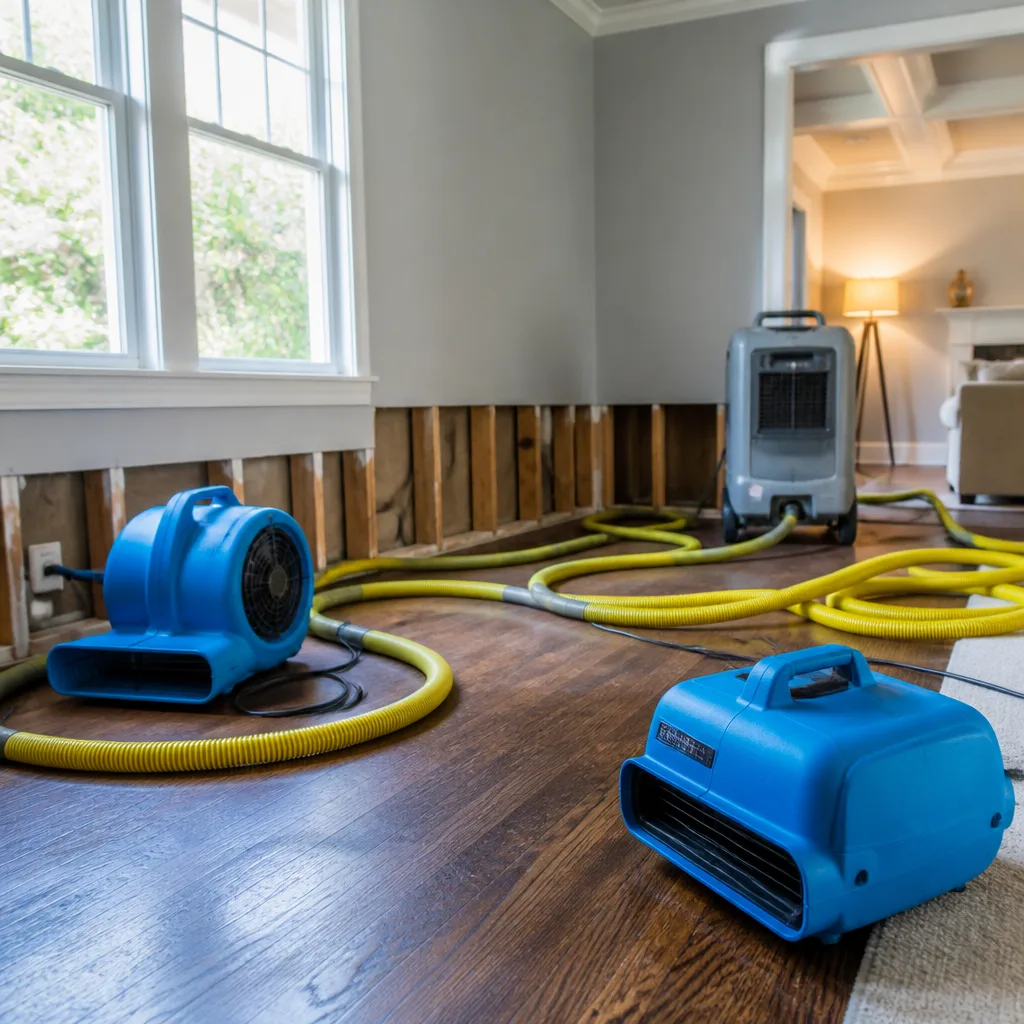
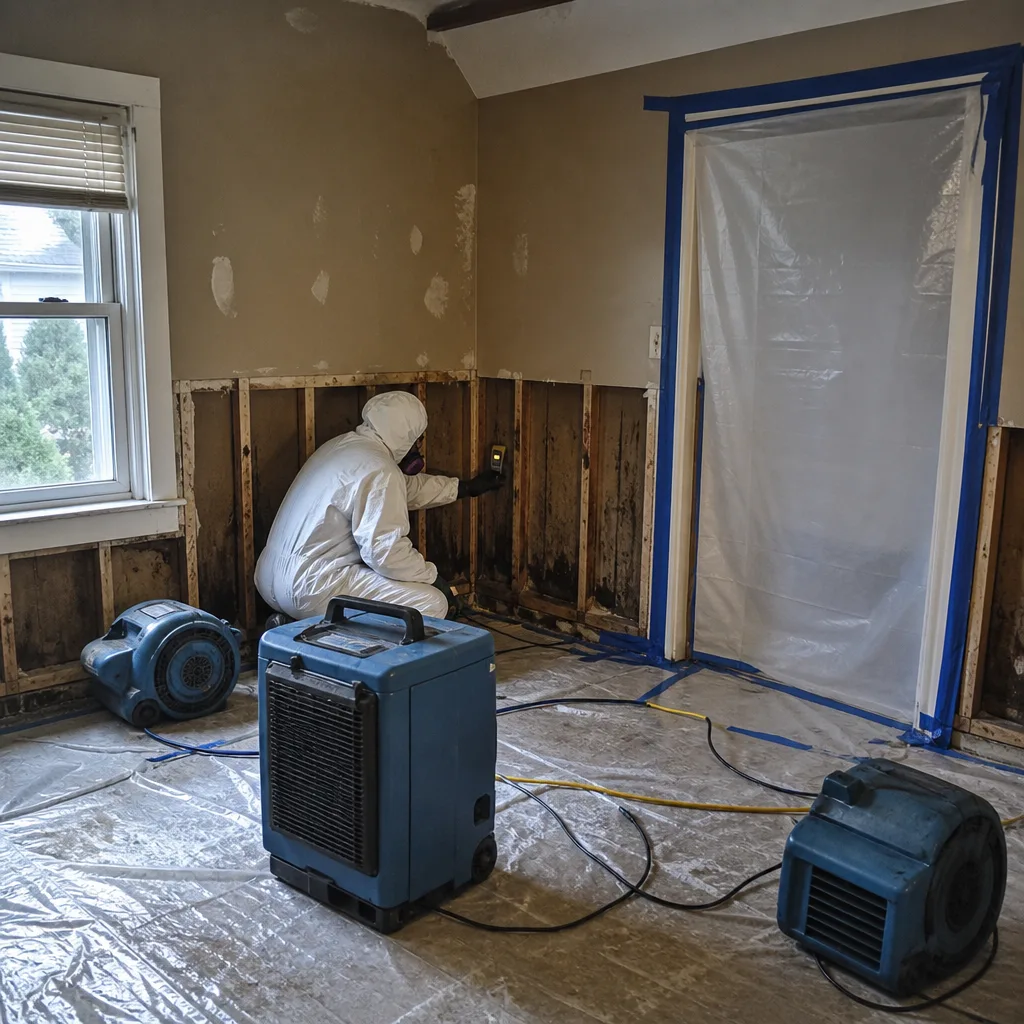
When summer water damage occurs, professional drying needs to start quickly. That means extracting standing water, setting up air movers and dehumidifiers sized for the square footage, and taking daily moisture readings until the structure reaches an acceptable dry standard. The equipment matters. Dri-Eaz dehumidifiers and XPOWER air movers move hundreds of cubic feet of air per minute through building cavities, and the drying happens from the inside out, not just at the surface.
Fall: Gutters, Leaves, and Drainage Before the Freeze
Fall is the season where Teaneck homeowners can prevent most of the winter and spring damage that’s coming. The township has a mature tree canopy, especially in the neighborhoods around Votee Park, along the Hackensack riverfront, and in the West Englewood section. That canopy is beautiful in October and destructive by late November. Gutters fill, downspouts clog, and the first hard freeze turns a clogged gutter into a frozen dam that redirects water exactly where you don’t want it: behind the fascia, under the roof, and down into the foundation.
Leaves in window wells and around foundation vents are the other fall trouble spot. A window well filled with wet leaves holds water against the window frame all winter. When the ground freezes and expands, the pressure against foundation walls can crack masonry and open new water entry paths for the spring thaw.
A complete fall maintenance routine before the first hard frost:
- Clean all gutters and downspouts: remove leaves, twigs, and any granular shingle material. Flush with a hose and confirm water exits the downspout extension at least 6 feet from the foundation.
- Check and re-secure all downspout extensions: a loose extension directs water against the wall. The single most preventable cause of spring basement seepage is a downspout discharging at the foundation.
- Clear window wells and check the well drain: if the drain is clogged, clear it now. The well should be dry within an hour after rain. If it’s not, the drain needs repair or replacement before winter.
- Inspect the roofline and flashing: look for lifted shingles, cracked pipe boots, and gaps in chimney flashing. These small gaps become ice dam water entry points in winter.
- Disconnect garden hoses and drain outdoor spigots: a frozen hose bibb can burst inside the wall and leak into the home’s framing all winter without any visible sign until spring.
- Seal gaps where utilities enter the house: where cable lines, electric service, and gas piping pass through the rim joist, seal the openings. These are the same gaps that let warm, moist air into the attic and walls, causing condensation and freeze-thaw damage.
Fall is also the right time to test the sump pump one more time before winter. If the pump is more than seven years old, consider replacement. The cost of a new pump is a fraction of what a flooded finished basement costs after a January thaw.
The Seasonal Walkthrough: A Step-by-Step Checklist
The most effective damage prevention tool a Teaneck homeowner has is a consistent seasonal walkthrough. It takes 30 to 45 minutes and catches the specific failures that lead to water and mold damage. Here’s the full four-season routine we recommend:
Winter Walkthrough (December to February)
- Check eaves and gutters for icicles and ice build-up after each snowfall.
- Look for frost or condensation on attic nails and roof sheathing.
- Confirm the water meter isn’t spinning when all fixtures are off.
- Open cabinet doors under sinks on exterior walls during sub-zero nights.
- Run a thin trickle of water from faucets on exterior wall runs when temperatures stay below 10 degrees.
Spring Walkthrough (March to April)
- Test the sump pump by pouring water into the pit and confirming discharge.
- Walk the basement perimeter with a dry hand along the cove joint and floor-to-wall seam.
- Check for efflorescence, damp drywall, or warped baseboard anywhere water may have entered.
- Confirm all downspout extensions are connected and pointed away from the house.
- Clear window wells and verify the drain catches water and directs it away from the foundation.
Summer Walkthrough (June to August)
- After any storm with an inch or more of rain, check the basement within 24 hours.
- Monitor basement humidity with a hygrometer; sustained readings above 60 percent require action.
- Check AC condensate lines for clogs and standing water in the HVAC closet.
- Inspect the attic for damp insulation or water stains on the sheathing after heavy weather.
- Look for musty or earthy smells in basements, closets, and behind stored items; smell is often the first sign of hidden mold.
Fall Walkthrough (October to November)
- Clean all gutters and downspouts; flush with a hose and confirm proper flow.
- Clear window wells of leaves and debris; verify well drains are working.
- Inspect the roof, flashing, and pipe boots for gaps, cracks, and lifted shingles.
- Disconnect hoses, drain outdoor spigots, and close interior shutoffs if present.
- Walk around the house and seal any new gaps where utilities, vents, or wiring enter.
Keep a simple log of what you find each season. The log gives you a baseline, and it’s the same documentation insurance carriers look for when a claim involves long-term water intrusion. A homeowner who can show consistent maintenance has a significantly stronger position in any claim dispute over whether damage was “sudden and accidental” versus gradual.
How Insurance Works for Seasonal Damage in Teaneck
Standard New Jersey homeowner policies cover sudden and accidental water damage: a burst pipe, a storm that drives water through the roof, an ice dam that backs meltwater into the ceiling. They typically do not cover gradual water intrusion such as groundwater seepage through a foundation wall or a slow leak that’s been running for months. The distinction matters more in Teaneck than in drier towns because the water table and the age of the housing stock make gradual seepage the most common damage pattern.
When a claim is filed, the adjuster looks at the specific facts: when the damage occurred, what caused it, and whether normal maintenance would have prevented it. This is where documentation makes the difference. Photos of the damage, a seasonal maintenance log, and records of past repairs all support the claim. A homeowner who can show the gutter was cleaned in October and the pipe burst in January has a documented, defensible claim.
The other piece of insurance most homeowners don’t think about until it’s too late is flood coverage. Standard policies exclude flood losses, and the definition of “flood” includes rising groundwater and surface water that enters through the foundation. Homes in Teaneck near the Hackensack River, Overpeck Creek, or any of the township’s lower-lying areas should carry separate flood insurance. The National Flood Insurance Program (NFIP) is the primary source, and the waiting period for a new policy is typically 30 days unless the purchase is tied to a closing.
Floodline Restoration Co. works directly with insurance carriers on every restoration job. We bill the carrier directly for covered losses, and the homeowner never plays messenger between us and the adjuster. Our technicians provide the photo documentation and moisture logs carriers expect, and our 90-Day Done Right Promise is written into every estimate. That means if something wasn’t done right, we make it right, without paperwork battles or arguing.
What Professional Equipment Actually Does (and Why It Matters)
When water gets into a Teaneck home, the visible puddle is only part of the problem. The rest of the water is inside drywall, under flooring, and in the wall cavities, where it keeps doing damage long after the surface is dry. This is where professional restoration equipment does what no rental fan or household dehumidifier can: it removes water from inside the building’s materials, not just from the air.
The equipment we use is selected for speed and completeness. Dri-Eaz dehumidifiers pull moisture from the air and the structural materials simultaneously, pushing a home’s interior down to an acceptable dry standard in three to five days in most cases. Phoenix axial air movers position airflow along floors and walls so that water evaporates from saturated drywall and subfloor evenly, not just in the open areas. XPOWER fans create the high-velocity airflow needed to dry wall cavities through small access points. Injectidry systems dry wall cavities and under-floor spaces that can’t be reached by surface-level drying. B-Air equipment provides additional low-profile drying power for tight spaces like closets and under cabinets.
Daily moisture readings are logged until the dry standard is met. That log is then handed to the homeowner and to the insurance carrier, so everyone knows exactly when the structure was dry and what was done to get there. This is the documentation a carrier expects when a claim is processed, and it’s the difference between a quick, clean claim and one that stalls over disputes about whether the drying was complete.
Our technicians are trained to IICRC standards for water damage restoration, and the same crew that reads the moisture map on day one handles the daily readings, hands the log to the homeowner and carrier, and rebuilds what needs rebuilding. The job stays whole, from first extraction to finished rebuild, and no phase is handed off to an unrelated subcontractor.
What Seasonal Damage Restoration Costs in Teaneck
Restoration pricing in Teaneck follows the same pattern as the rest of Bergen County, with one local variable: the age of the housing stock. Many homes in the township were built between 1920 and 1970, which means lath-and-plaster walls, original cast-iron drains, and framing that’s been patched over decades. These conditions add time and labor compared to newer construction, and they should be reflected in any estimate you receive.
Typical restoration cost ranges in the Teaneck market:
- Water extraction and drying (single room): $1,200 to $2,800, depending on the volume of water, the materials affected, and how long it takes to reach a dry standard.
- Frozen pipe burst repair and drying (basement or utility room): $3,000 to $7,500, including extraction, drying, and replacement of affected drywall and insulation.
- Ice dam ceiling repair: $2,500 to $6,000, depending on the ceiling area, whether the insulation is soaked, and whether wall cavities need to be opened and dried.
- Basement seepage cleanup and drying: $1,800 to $5,000, including extraction, drying, and antimicrobial treatment of affected surfaces.
- Mold remediation (visible growth, moderate area): $2,500 to $8,000, depending on the type of mold, the materials affected, and whether containment is required.
- Storm damage water extraction and structural drying: $2,000 to $6,500, with additional costs if roof repair is required before drying can begin.
These figures reflect the range we see across Teaneck and the surrounding Bergen County towns. Actual pricing depends on the square footage affected, the materials involved, and whether the insurance carrier is covering the loss. Estimates are free, written, and based on a moisture map and a scope of work, not a guess. Homeowners never pay a surprise line item after the fact. Call (551) 365-4026 for an exact quote on any water, mold, storm, or fire damage in Teaneck.
Common Mistakes to Avoid
- Waiting to call after water damage. Every day of delay lets water wick further into drywall, framing, and flooring. Mold starts within 48 to 72 hours in a warm, humid Teaneck basement. The sooner drying starts, the less needs to be replaced.
- Using household fans to dry a flooded room. A box fan moves air across the surface but does nothing to pull water from inside drywall or subfloor. Homes that are “dried” with household fans usually stay damp enough for mold to grow.
- Skipping the moisture log. If you don’t have daily moisture readings showing when the structure reached a dry standard, an insurance carrier has every reason to question the claim. Documentation is the single strongest tool a homeowner has.
- Ignoring a musty basement smell. Musty odor means mold is active somewhere, even if it’s hidden behind drywall or under flooring. Waiting until it’s visible means a bigger remediation project and a bigger bill.
- Letting a downspout dump water against the foundation. This is the most common and preventable cause of basement seepage in Teaneck. The fix is a $10 extension pipe, but the repair can cost thousands.
- Assuming insurance covers groundwater seepage. Standard policies don’t cover rising groundwater or surface water that enters through the foundation. Homes near the Hackensack River or Overpeck Creek need separate flood coverage.
- Hiring a handyman for restoration work. Restoration requires specialized drying equipment, moisture meters, and IICRC-standard training. A general contractor who opens the drywall and lets it air-dry is creating the conditions for long-term mold, and the insurance carrier may deny the claim if the drying wasn’t professionally documented.
When to Call a Professional
Water damage always gets worse before it gets better if it isn’t professionally dried, and some situations require immediate action. Call a restoration professional the same day if a pipe has burst, water is actively entering the house through the roof or foundation, or sewage has backed up into the home. Call within 24 hours if you find standing water in the basement, a wet ceiling after a storm, or a musty smell you can’t identify. Call before you know whether it’s serious if water has been sitting for more than 48 hours, because mold has already started.
Floodline Restoration Co. offers free estimates in Teaneck. A live person answers the phone at (551) 365-4026, 24 hours a day, 7 days a week, and a certified crew can usually reach most Teaneck jobs the same day. If you’re not sure whether your situation is an emergency, call anyway. We’ll tell you straight whether you need us now or whether a seasonal check-up is enough.
Frequently Asked Questions
Four times a year, once per season. Each season in Teaneck presents a specific set of threats: ice dams and frozen pipes in winter, snowmelt and basement seepage in spring, storm water and humidity in summer, and gutter and drainage issues in fall. A 30-to-45 minute walkthrough each season catches most problems before they become restoration projects.
Yes, in most cases. Ice dam damage is typically covered under the “sudden and accidental” water damage provisions of a standard New Jersey homeowners policy, assuming the policyholder took reasonable steps to prevent it. The key is documentation: photos of the damage, records of gutter cleaning and roof maintenance, and a clear timeline of when the damage occurred all strengthen the claim.
A restoration crew can typically reach most Teaneck homes the same day you call. Floodline Restoration Co. maintains live phone dispatch 24/7, and because we’re a local Bergen County company, the same crew that answers your call can usually be on site within hours. Extraction typically begins on the first visit.
It depends on the type of mold, the extent of the growth, and whether the water source is still active. Surface mold on non-porous materials can sometimes be cleaned. Mold in drywall, carpet padding, or wall cavities usually requires removal of the affected materials and professional drying. If you’re not sure, a written assessment with moisture readings tells you exactly what’s needed, and you can get an honest scope of work before anything is torn out.
With Floodline Restoration Co., we deal directly with your carrier. We provide the photo documentation, moisture logs, and written scope of work adjusters expect, and we bill the carrier directly for covered losses. The homeowner never plays messenger between us and the insurance company, and the scope of work is agreed in writing before work starts.
Floodline Restoration Co. offers an $89 Seasonal Tune-Up. The tune-up includes a walkthrough of the specific seasonal threats for your home, a sump pump test, a visual inspection of common water entry points, and a written report of anything that needs attention. It’s a practical way to catch small issues before they become restoration jobs. Call (551) 365-4026 to schedule one.
The Bottom Line
Teaneck homes face real, predictable damage cycles through the year: ice dams and frozen pipes in winter, meltwater and seepage in spring, storm water and mold in summer, and drainage failures in fall. The houses that stay dry and structurally sound are the ones where someone pays attention four times a year and acts on what they find. A consistent seasonal walkthrough, a working sump pump, clean gutters, and a quick call when water appears are the four pillars of protection. When damage does occur, speed is the most expensive variable. Every day of delay compounds the cost, the disruption, and the scope of the repair. Done right, and backed in writing, that’s the standard this guide is built on.
Contact Floodline Restoration Co. in Teaneck
If you have water damage, mold, storm damage, or any restoration need in Teaneck, call (551) 365-4026 for a free estimate. A live person answers the phone around the clock, and a certified crew can usually reach your home the same day. Estimates are free, written, and honest. We stand behind the work with the 90-Day Done Right Promise.
Written by Curt Bowman, Owner at Floodline Restoration Co., serving Teaneck since 2010.